How to Plant and Grow Trifoliate Orange

47.8K
2.9K
1.1K
2025-10-24
How to Plant and Grow Trifoliate Orange

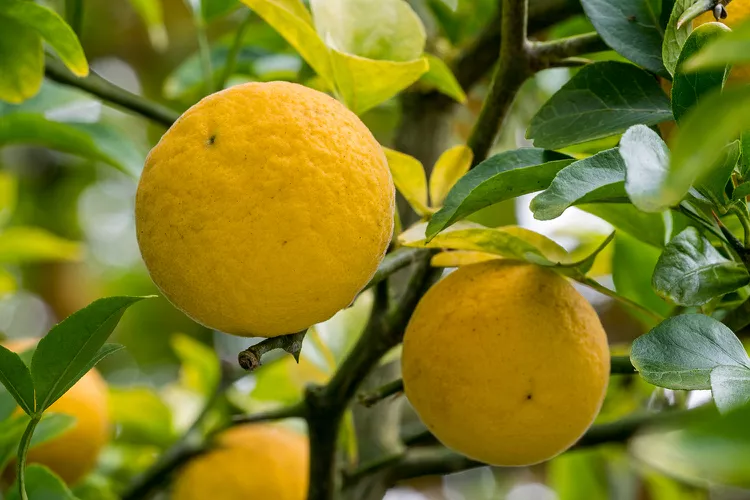
Boasting edible fruit and large thorns, trifoliate orange is a hardy citrus for cold regions. This large shrub or small tree is hardy down to Zones 5 and produces sour fruit that is deep yellow and about the size of a golf ball. The fruit has a thick peel and many seeds, and has a flavor that falls somewhere between a lemon and a grapefruit. The fruit ripens in fall and can be juiced for use in beverages. The pulp can be used for jam. Trifoliate orange is a four-season plant. Exceptionally fragrant white flowers in spring are followed by clean, green summer foliage, yellow fall color, and its contorted, slightly twisting branches are eye-catching in winter. 

Trifoliate orange can reseed prolifically and invade woodlands, forest edges, fence rows, and urban green spaces. It's classified as an invasive species in Alabama, Georgia, and South Carolina and may not be planted in these states. Trifoliate orange is an identified aggressive species in many nearby states.

Trifoliate orange, hardy orange, bitter orange Overview

Genus Name Citrus trifoliata
Common Name Trifoliate orange, hardy orange, bitter orange
Plant Type Fruit, Shrub, Tree
Light Sun
Height 8 to 20 Feet
Width 6 to 15 Feet
Flower Color White
Foliage Color Blue/Green
Season Features Colorful Fall Foliage, Spring Bloom
Zones 5, 6, 7, 8
Propagation Seed, Stem Cuttings

Where to Plant Trifoliate Orange

Trifoliate orange is native to China and is thought to have been introduced to North America for use as a barrier plant, especially in agricultural settings. It was planted in hedgerows as a living fence for livestock. It can make an interesting living fence in home landscapes today, but beware of the long, sharp thorns. Avoid planting it where small children or pets may play or near busy walkways. Thanks to its four seasons of interest, trifoliate orange can also make a striking specimen plant in the landscape.

How and When to Plant Trifoliate Orange

Trifoliate orange is difficult to find in nurseries and garden centers. Search out a reputable dealer online. Plant trifoliate orange in spring or early fall. Dig a planting hole just large enough to accommodate the root system. Position the root ball in the planting hole so the root flair is level with the surrounding grade and backfill with soil from the planting hole. Water your newly planted trifoliate orange regularly for the first year after planting. After the plant is established, it will rarely require supplemental watering. 

Care Tips

Light

At least 8 hours of bright, direct sunlight is essential for a good fruit set for trifoliate orange. Plants will grow in part shade, but they will produce fewer fruit. 

Soil and Water

Trifoliate orange, like most citrus plants, thrives in well-drained soil. It doesn’t tolerate heavy clay or soggy soil. Avoid planting it near areas where water stands after a big rain or places with heavy, hard soil. The best soil for growing trifoliate orange is lightweight, loose, and has a sandy texture.  Trifoliate orange generally gets all the water it needs from natural precipitation. It is somewhat drought tolerant and only requires supplement watering during periods of extreme drought. 

Temperature and Humidity

Hardy in Zones 5 through 9, trifoliate orange is a unique citrus plant for cold regions. In Zone 5, provide winter protection by planting it on the south side of a building or line of trees. The building or trees will protect the plant from cold, drying north winds. 

Fertilizer

Trifoliate orange does not require fertilization. It grows, flowers, and fruits well in native soil if the soil is well-drained. 

Pests and Problems

Trifoliate orange has no notable pests or problems.

Pruning Trifoliate Orange

Trifoliate orange grows quickly and benefits from annual pruning. When pruning, wear heavy leather gloves to protect your hands from the sharp thorns. Prune in winter when the plant’s structure is clearly visible. Remove dead, broken, and crossing branches. Trifoliate orange spreads slowly; keep it in bounds by digging up stems that emerge beyond its allotted areas in the landscape as soon as they are noticed. 

How to Harvest Trifoliate Orange

Harvest trifoliate orange fruits in fall when they turn deep yellow and have a light citrus fragrance. The fuzzy fruit has a thick rind and is extremely sour. Dispose of fallen fruit to prevent rampant reseeding.

Propagating Trifoliate Orange

Make more trifoliate orange plants by taking stem cuttings and rooting them in moist potting soil. Grow the cuttings in a protected location for several weeks until a strong root system is established. After the root system is established, transplant cuttings into the landscape and water them well. Trifoliate orange can also be started from seed. Plant seeds in moist potting soil and transplant into the garden when they are 6 inches tall. 

Types of Trifoliate Orange

‘Flying Dragon’ is a small cultivar compared to the species. It has a shrub-like growth habit and stands 6 feet or so tall and wide. The curling, contorted stems and dense habit make it an excellent barrier plant or hedge. ‘Flying Dragon’ has good fruit production.

Frequently Asked Questions

  • Is trifoliate orange the same as hardy orange?

    One of the most cold-tolerant citrus plants, trifoliate orange is also known as hardy orange. Don’t be fooled by its name, though; it is not sweet and juicy like a navel orange. Another common name, bitter orange, better describes its flavor. While it is hardy in chilly Zone 5, it doesn’t produce sweet oranges.

  • Can trifoliate orange be grown indoors?

    Yes, trifoliate orange can grow indoors. It grows well when planted in a large pot filled with potting soil. Move the pot outside to a sunny porch or patio in summer and bring it inside for the winter months. Keep in mind that trifoliate orange is deciduous—it loses its leaves in fall. A potted trifoliate orange will be a mass of leafless twigs in winter, but the twigs have an intriguing, contorted appearance. 

Sources
Better Homes & Gardens is committed to using high-quality, reputable sources—including peer-reviewed studies—to support the facts in our articles. Read about our editorial policies and standards to learn more about how we fact check our content for accuracy.
  1. "Trifoliate Orange." Invasive Plant Atlas of the United States.

  2. "Citrus trifoliata." NC State Extension. North Carolina State University

Related Article

How to Make a Spherical Hanging Basket in Just 20 Minutes
30.4K
3K
1.3K

How to Make a Spherical Hanging Basket in Just 20 Minutes

Create a sphere hanging basket to show off your flowers in just 20 minutes with these easy instructions.
How to Make an Adorable Well for Your Fairy Garden
6.8K
547
175

How to Make an Adorable Well for Your Fairy Garden

Add a touch of charm to your fairy garden with this DIY well, complete with a tiny basket. Follow these step-by-step directions and images to make your minature fairy well magical.
Easy 4-Step DIY Paver Planter Box
40.2K
2.4K
626

Easy 4-Step DIY Paver Planter Box

Skip the store-bought concrete containers and instead make your own with this easy DIY planter roject.
What Is an Olla Pot? Plus 10 Tips for Efficiently Watering Plants with It
1.4K
67
22

What Is an Olla Pot? Plus 10 Tips for Efficiently Watering Plants with It

Olla pots simplify plant watering and reduce water waste. Here's how to make a DIY olla pot and 10 tips for using it for efficient watering.
Got Lots of Dandelions? Here's What Your Lawn Is Trying to Tell You
20K
1K
230

Got Lots of Dandelions? Here's What Your Lawn Is Trying to Tell You

Dandelions will quickly take over a lawn that needs help. Learn how to discourage them from taking root with these lawn care tips.
5 Smart Tips for Protecting Shrubs from Winter Damage
34.8K
347
170

5 Smart Tips for Protecting Shrubs from Winter Damage

Help your shrubs survive the winter with these tips on how to protect them from damage due to harsh weather and hungry critters.
Yes, You Can Grow Magnolia Trees in Pots—Here’s How to Succeed
25.2K
1.8K
776

Yes, You Can Grow Magnolia Trees in Pots—Here’s How to Succeed

With a big planter and a small variety, here’s how to grow a magnolia in a pot.
How to Plant and Grow Glossy Abelia
43.4K
3.5K
346

How to Plant and Grow Glossy Abelia

This guide on how to grow glossy abelia includes essential planting and care tips such watering, fertilizing, and pruning needs. You'll also find popular types of abelia to grow and pretty companion plants for this flowering shrub.
Top Plants for Florida Landscaping and Gardens
30.2K
2.7K
679

Top Plants for Florida Landscaping and Gardens

The tropical environment means top plants for Florida will thrive and grow, adding lush, green bulbs, trees and perennials to landscapes and gardens.
15 Super Plants for Texas Landscapes
43.8K
3.9K
1.2K

15 Super Plants for Texas Landscapes

These plants are superstars in Texas gardens and landscapes. Experts recommend them for their ability to thrive in south-central climates.
How to Plant and Grow Purple Poppy Mallow
31.3K
625
100

How to Plant and Grow Purple Poppy Mallow

Also called winecup, purple poppy mallow thrives in sunny spots.
How Long Does It Take for Sunflowers to Grow from Seed?
3.7K
295
112

How Long Does It Take for Sunflowers to Grow from Seed?

How long does it take for sunflowers to grow from seed? It varies. This guide covers harvest times for microgreens, cut flowers, and edible seeds.
How to Build a Broken Brick Patio
30K
1.2K
323

How to Build a Broken Brick Patio

With simple tools and no masonry experience, you can turn a pile of old broken bricks into a handsome patio or garden path.
How to Grow and Care for a Coffee Plant Indoors
21K
840
386

How to Grow and Care for a Coffee Plant Indoors

Learn how to grow a coffee plant indoors, including tips on light, humidity, watering, and pot size. This houseplant will add a tropical touch to your home with its glossy green leaves.
Should You Use Japanese Beetle Traps? Here’s What Experts Say
8.6K
516
87

Should You Use Japanese Beetle Traps? Here’s What Experts Say

When used incorrectly, Japanese beetle traps can make your garden worse. Learn other ways to keep these pests away.
How to Grow Ginger Root Indoors in 4 Simple Steps
33.6K
1.7K
521

How to Grow Ginger Root Indoors in 4 Simple Steps

Use this guide to grow a ginger root into a new plant and harvest more ginger.
10 Best Tomato Companion Plants to Grow
26.7K
2.1K
1K

10 Best Tomato Companion Plants to Grow

Keep tomato hornworms and other common tomato pests away with the help of companion planting. From basil to sunflowers, these top tomato companion plants include herbs, vegetables, and flowers that help discourage pests.
Brighten Up Small Spaces with This Corner of Perennials Garden Plan
43.3K
1.3K
182

Brighten Up Small Spaces with This Corner of Perennials Garden Plan

Create a colorful nook with this corner of perennials garden plan, which includes a simple arrangement of easy-care, flowering plants.
What is a Sensory Garden? Plus 3 Expert Tips on How to Create One
29.5K
295
144

What is a Sensory Garden? Plus 3 Expert Tips on How to Create One

Plant a garden that engages your five senses (sight, sound, smell, touch, and taste). This explains what a sensory garden is and provides tips for creating your own.
Grow Perfect Tomatoes with This PVC Trellis
25.6K
2.6K
383

Grow Perfect Tomatoes with This PVC Trellis

Protect your homegrown produce and learn how to make an arbor made with PVC pipes. This easy project is much less expensive than store-bought options!