How to Grow an Oak Tree from an Acorn

1K
30
6
2025-11-03
How to Grow an Oak Tree from an Acorn

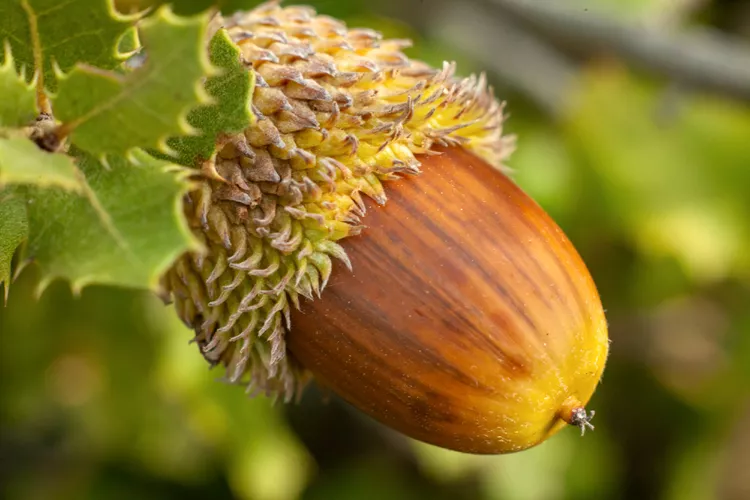
Growing an oak tree from an acorn can be a fun and rewarding project. And by planting the seed of a tree that potentially could live for hundreds of years while providing shade and a habitat for wildlife, you'll be making a meaningful contribution to the future. The large acorns of oak trees are fairly easy to plant. When ripe, they fall from the tree and germinate in the soil, often sprouting within a few weeks—an impressive feat for such large, stately trees. This guide outlines the process for gathering the acorns, sowing them in a container, taking care of the seedlings, and eventually planting the trees in their permanent locations. 

When to Collect Acorns

Each year, oak trees produce a batch of new acorns that grow and mature over time. Some species, such as members of the white oak group, produce acorns that mature within a single season, while members of the red oak group mature only after two years on the tree.

Most species of oak have an adaptive strategy called masting. Masting occurs when trees (or other plants) produce large amounts of fruit or seeds one year and then produce few to none the following two to five years, followed by another mast year. This strategy ensures the tree produces so many seeds the hungry squirrels, deer, and other wildlife can’t possibly eat them all, and at least a few survive. 

Regardless of how long the acorns take to mature, the best time to harvest them is right after they drop from the tree onto the ground, making acorns very easy to collect.

Tips for Collecting Acorns

Toward the end of the growing season, acorns begin to fall off the trees. This is the ideal time to look for acorns because they are at their freshest and less likely to succumb to plant diseases and insect pests. Acorns are also a favorite food for a variety of animals, including squirrels, deer, turkeys, and jays. During non-masting seasons, competition for acorns is tough, so you’ll want to collect the acorns as soon as possible. Not all acorns are viable, and those that are might still not germinate properly. Collect more acorns than you need to increase your chances of success.

Checking for Viability

After you collect the acorns, check them for viability. The best way to do this is to drop the acorns in a bucket of water and gather those that sink. Viable, healthy acorns should sink to the bottom of the bucket, while nonviable acorns float. Discard any acorns that have holes, feel hollow, or look discolored or unhealthy.

Sowing the Acorns

Like most seeds, acorns need moist soil, a bit of warmth, and—eventually—sun to get the seedlings growing nicely. Then, you'll need a few supplies for best results when planting acorns, including potting soil and deep pots. Sterile potting mix is unnecessary because strong, healthy seedlings do fine in a variety of soils.

The type of pot you choose can affect the health of the oak tree for years to come because as oak tree seedlings begin to grow, they produce a long taproot and an extensive root system. A deep, narrow pot directs the roots downward rather than horizontally, which can lead to a root-bound seedling. Tree nursery pots work best, but almost any container works in a pinch.

Fill the containers about ¾ or more full with potting soil and place the acorns singly in the containers on their sides. Cover the acorns to about twice the depth of their diameter and gently tap the soil down. Placing more than one acorn in a container will ultimately lead to tangled roots and eventually having to sacrifice one seedling to save the other.

After sowing the acorns, gently water them and cover them with leaves for their winter rest. Some types of oaks begin sprouting within a couple of weeks, while others need the cold winter temperatures to stratify the seeds and prepare them for germination. In both cases, leave the containers outdoors under a bed of leaves and protected with mesh, wire, or another water-permeable barrier to avoid predation from squirrels, chipmunks, and other rodents.

In the spring, remove all but a thin layer of leaves from the surface of the containers, and keep the pots in a full sun location. As the weather warms, you will see the first leaves of the acorns begin to peak above the soil surface.

Planting Oak Seedlings

Oak trees are slow-growing, but after the first growing season, the seedlings should be large enough to transplant into the landscape.

Plant the young oak trees in a sunny location well away from buildings, power lines, or other structures. Most oaks become huge over time, and while they might not become a problem in your lifetime, you want to avoid causing issues for others in the future. Remember, the tree can live for hundreds of years, given the right conditions.

Many types of oak trees can survive even in poor, nutrient-deprived soils, but fertilizing young trees over the first 5-10 years using fertilizer spikes gets them off to a good start.

Related Article

How to Make a Spherical Hanging Basket in Just 20 Minutes
30.4K
3K
1.3K

How to Make a Spherical Hanging Basket in Just 20 Minutes

Create a sphere hanging basket to show off your flowers in just 20 minutes with these easy instructions.
How to Make an Adorable Well for Your Fairy Garden
6.8K
547
175

How to Make an Adorable Well for Your Fairy Garden

Add a touch of charm to your fairy garden with this DIY well, complete with a tiny basket. Follow these step-by-step directions and images to make your minature fairy well magical.
Easy 4-Step DIY Paver Planter Box
40.2K
2.4K
626

Easy 4-Step DIY Paver Planter Box

Skip the store-bought concrete containers and instead make your own with this easy DIY planter roject.
What Is an Olla Pot? Plus 10 Tips for Efficiently Watering Plants with It
1.4K
67
22

What Is an Olla Pot? Plus 10 Tips for Efficiently Watering Plants with It

Olla pots simplify plant watering and reduce water waste. Here's how to make a DIY olla pot and 10 tips for using it for efficient watering.
Got Lots of Dandelions? Here's What Your Lawn Is Trying to Tell You
20K
1K
230

Got Lots of Dandelions? Here's What Your Lawn Is Trying to Tell You

Dandelions will quickly take over a lawn that needs help. Learn how to discourage them from taking root with these lawn care tips.
5 Smart Tips for Protecting Shrubs from Winter Damage
34.8K
347
170

5 Smart Tips for Protecting Shrubs from Winter Damage

Help your shrubs survive the winter with these tips on how to protect them from damage due to harsh weather and hungry critters.
Yes, You Can Grow Magnolia Trees in Pots—Here’s How to Succeed
25.2K
1.8K
776

Yes, You Can Grow Magnolia Trees in Pots—Here’s How to Succeed

With a big planter and a small variety, here’s how to grow a magnolia in a pot.
How to Plant and Grow Glossy Abelia
43.4K
3.5K
346

How to Plant and Grow Glossy Abelia

This guide on how to grow glossy abelia includes essential planting and care tips such watering, fertilizing, and pruning needs. You'll also find popular types of abelia to grow and pretty companion plants for this flowering shrub.
Top Plants for Florida Landscaping and Gardens
30.2K
2.7K
679

Top Plants for Florida Landscaping and Gardens

The tropical environment means top plants for Florida will thrive and grow, adding lush, green bulbs, trees and perennials to landscapes and gardens.
15 Super Plants for Texas Landscapes
43.8K
3.9K
1.2K

15 Super Plants for Texas Landscapes

These plants are superstars in Texas gardens and landscapes. Experts recommend them for their ability to thrive in south-central climates.
How to Plant and Grow Purple Poppy Mallow
31.3K
625
100

How to Plant and Grow Purple Poppy Mallow

Also called winecup, purple poppy mallow thrives in sunny spots.
How Long Does It Take for Sunflowers to Grow from Seed?
3.7K
295
112

How Long Does It Take for Sunflowers to Grow from Seed?

How long does it take for sunflowers to grow from seed? It varies. This guide covers harvest times for microgreens, cut flowers, and edible seeds.
How to Build a Broken Brick Patio
30K
1.2K
323

How to Build a Broken Brick Patio

With simple tools and no masonry experience, you can turn a pile of old broken bricks into a handsome patio or garden path.
How to Grow and Care for a Coffee Plant Indoors
21K
840
386

How to Grow and Care for a Coffee Plant Indoors

Learn how to grow a coffee plant indoors, including tips on light, humidity, watering, and pot size. This houseplant will add a tropical touch to your home with its glossy green leaves.
Should You Use Japanese Beetle Traps? Here’s What Experts Say
8.6K
516
87

Should You Use Japanese Beetle Traps? Here’s What Experts Say

When used incorrectly, Japanese beetle traps can make your garden worse. Learn other ways to keep these pests away.
How to Grow Ginger Root Indoors in 4 Simple Steps
33.6K
1.7K
521

How to Grow Ginger Root Indoors in 4 Simple Steps

Use this guide to grow a ginger root into a new plant and harvest more ginger.
10 Best Tomato Companion Plants to Grow
26.7K
2.1K
1K

10 Best Tomato Companion Plants to Grow

Keep tomato hornworms and other common tomato pests away with the help of companion planting. From basil to sunflowers, these top tomato companion plants include herbs, vegetables, and flowers that help discourage pests.
Brighten Up Small Spaces with This Corner of Perennials Garden Plan
43.3K
1.3K
182

Brighten Up Small Spaces with This Corner of Perennials Garden Plan

Create a colorful nook with this corner of perennials garden plan, which includes a simple arrangement of easy-care, flowering plants.
What is a Sensory Garden? Plus 3 Expert Tips on How to Create One
29.5K
295
144

What is a Sensory Garden? Plus 3 Expert Tips on How to Create One

Plant a garden that engages your five senses (sight, sound, smell, touch, and taste). This explains what a sensory garden is and provides tips for creating your own.
Grow Perfect Tomatoes with This PVC Trellis
25.6K
2.6K
383

Grow Perfect Tomatoes with This PVC Trellis

Protect your homegrown produce and learn how to make an arbor made with PVC pipes. This easy project is much less expensive than store-bought options!