How to Get Rid of Whiteflies for Good on All Your Plants

2.6K
77
38
2025-11-04
How to Get Rid of Whiteflies for Good on All Your Plants

If you see tiny white bugs on plants, clambering over leaves in a group or flying in a swarm when a plant is disturbed, you are probably dealing with whiteflies. Whiteflies are common plant pests that affect outdoor and indoor plants and plants grown in greenhouses. Although whiteflies are small, these pests spread rapidly, and large populations can weaken and even kill plants if left unchecked. If you suspect you’re dealing with whiteflies, you need to act fast. The organic pest control tips here will teach you how to get rid of whiteflies and prevent them from returning.

What Are Whiteflies?

Whiteflies are small, flying insects with yellow-to-white, triangular bodies that measure about 1/12-inch long. Despite their name, whiteflies aren’t flies; they are closely related to mealybugs and aphids. Like their plant pest cousins, whiteflies feed on plant sap and are most active during the day.

In warm areas, whiteflies survive outdoors all year round, but in USDA Zones 7 and colder, whiteflies are primarily encountered in greenhouses and houseplant collections. Many species of whiteflies target only specific types of plants, but silverleaf whiteflies and some other whitefly species are generalists that feed on a broad range of fruits, vegetables, and flowers. Whiteflies are most common on houseplants with smooth, soft leaves, but they also target many vegetables, including brassicas, sweet potatoes, and plants in the nightshade family.

Whitefly Life Cycle

One of the reasons whiteflies are so problematic is that these pests reproduce incredibly rapidly. In warm, humid environments, whiteflies can complete their entire lifecycle in just 16 days, and a single female whitefly lays about 400 eggs in her lifetime. Considering those statistics, it’s no wonder whitefly infestations can quickly overwhelm houseplants and greenhouses.

Female whiteflies typically lay their round, yellow eggs in a circular pattern on the underside of plant leaves. Those eggs hatch in about five days, and the nymphal whiteflies that emerge don’t travel far before they attach themselves to plant leaves and start feeding. After the larvae have fed enough, they pupate and turn into mature whiteflies with wings. Interrupting the whitefly lifecycle before mature adults lay more eggs is the best way to tackle whitefly infestations and keep them from spreading.

Signs of a Whitefly Infestation

Diagnosing a whitefly infestation can be tricky since whiteflies, aphids, and mealybugs all cause similar damage on plants. Like aphids and mealybugs, whiteflies weaken plants as they feed, making it harder for plants to photosynthesize. As infestations progress, plant leaves may yellow, wilt, and fall off, and the plant’s growth becomes stunted.

You might notice a sticky “honeydew” residue or sooty mold on affected plant leaves, which are signs that you’re dealing with whiteflies or other sap-sucking pests.

Because whitefly problems so closely resemble the symptoms of other plant pest infestations, it’s essential to inspect your plants carefully to determine if you’re dealing with whiteflies or another insect. Whiteflies often congregate on fresh growth and the undersides of plant leaves or around leaf veins, but they also fly up in swarms when disturbed. If you suspect your plants are infested, gently shake the leaves. If small, white insects fly out, chances are good you have a whitefly problem.

How to Get Rid of Whiteflies

Preventing whitefly infestations before they happen is always the best option. But if whiteflies have found your plants, you can eliminate these destructive pests without chemical pesticides.

Spray plants with a garden hose to dislodge adult and larval whiteflies. After that, treat the plants with an organic neem oil or insecticidal soap spray made with a few drops of Castile soap mixed into a quart of water. Apply sprays to the tops and undersides of plant leaves, as well as to plant stems and the top of the soil line. It’s best to apply sprays in the early morning or the evening and reapply them every 7 to 10 days until you don’t see any more signs of whiteflies.

While soap sprays are effective, you’ll get even better results using multiple treatment methods. This tactic is known as integrated pest management (IPM). For example, combine organic insecticidal sprays with sticky traps and vacuum up adult and larval whiteflies with a handheld insect vacuum. You may also want to release beneficial insects into your garden. Of course, don’t forget to monitor your plants regularly to ensure whiteflies don’t creep back into your garden.

Preventing Whiteflies

Healthy plants can resist pests more easily than weak ones, so if you want to keep whiteflies out of your garden or houseplants, make sure the plants receive the care they need. That means providing regular water, the right amount of sun, and a little fertilizer.

Outdoor Gardens

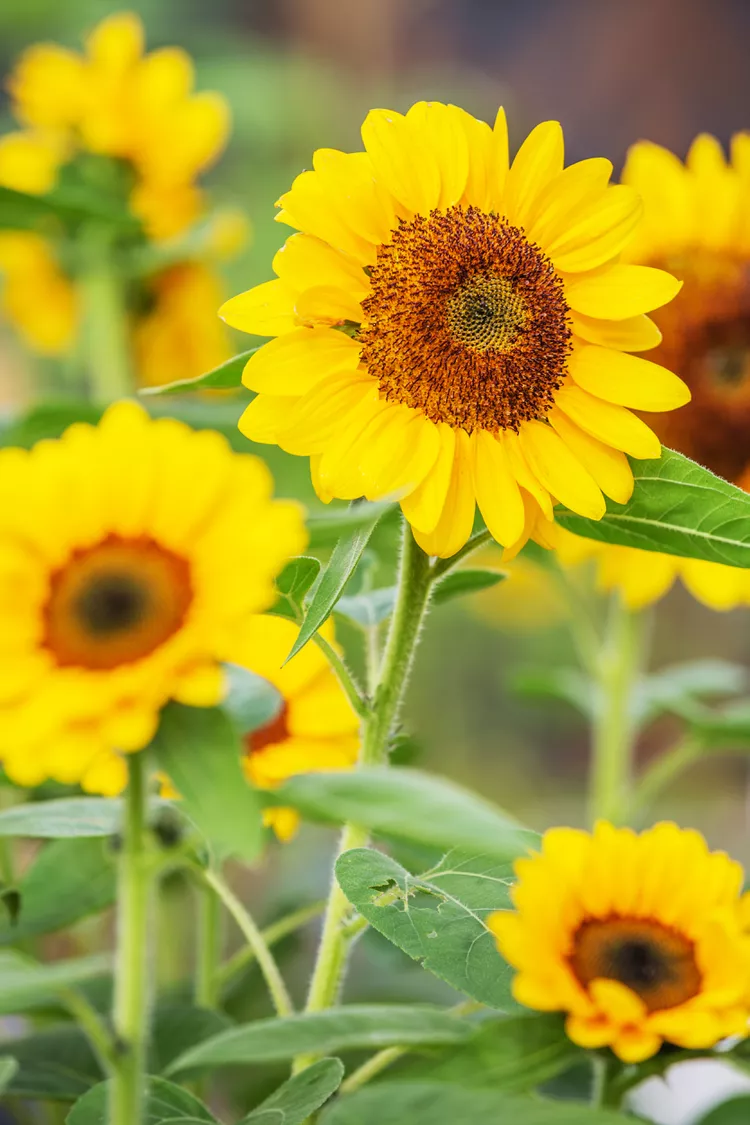
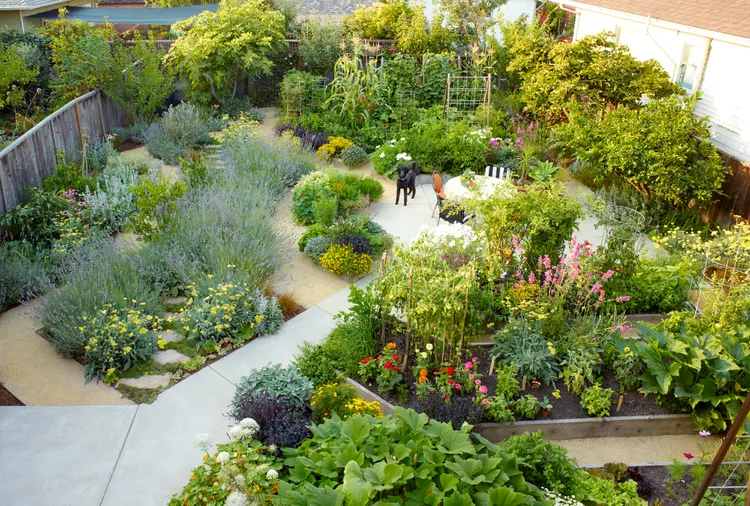
Aside from maintaining plant health, you can avoid whiteflies in outdoor gardens by experimenting with companion planting. Plants like nasturtiums and marigolds are known to repel many pests, while sunflowers and zinnias attract predatory insects and hummingbirds that feed on whiteflies.

Installing reflective mulch or a bit of aluminum foil around the base of vulnerable plants might confuse whiteflies and prevent their spread.

Interestingly, whiteflies are resistant to many synthetic pesticides and can be particularly problematic in gardens where pesticides are used. While pesticides may not harm whiteflies, they kill many beneficial insects that feed on whiteflies, including lacewings and ladybugs. Keeping your garden as organic as possible and growing plants like yarrow and dill to attract predatory insects will maintain your garden’s natural balance and allow predatory insects to manage whiteflies for you.

Houseplants

If you keep houseplants, avoid whiteflies by checking new plants carefully before you bring them indoors. You may also want to spray new arrivals with an organic insecticidal soap to ensure whiteflies and other pests don’t hitch a ride into your home.

Frequently Asked Questions

  • What bug kills whiteflies?

    Whiteflies have many natural predators, including lacewings, ladybugs, spiders, big-eyed bugs, minute pirate bugs, and many species of parasitic wasps. Hummingbirds and some songbird species also hunt for whiteflies and feed them to their young.

  • Where do whiteflies come from?

    Whiteflies naturally occur in gardens, but they’re particularly drawn to certain plants, such as tropical hibiscus and mulberries. Indoor infestations of whiteflies typically occur when infested plants are brought in from outdoors or when new plants are added to houseplant collections.

  • How do I get rid of whiteflies during flowering?

    If whiteflies invade plants that are in flower, hold off on using insecticidal soap or neem oil sprays during bloom times. While these products are safer for bees and other pollinators than non-organic pesticides, they can still harm these helpful insects if they’re sprayed directly on flowers. Instead, try dislodging whiteflies by spraying them with a garden hose or use a handheld insect vacuum to suck up any whiteflies you see.

Sources
Better Homes & Gardens is committed to using high-quality, reputable sources—including peer-reviewed studies—to support the facts in our articles. Read about our editorial policies and standards to learn more about how we fact check our content for accuracy.
  1. https://ipm.ifas.ufl.edu/pdfs/reflective_mulch_whiteflies_and_squash.pdf

Related Article

How to Make a Spherical Hanging Basket in Just 20 Minutes
30.4K
3K
1.3K

How to Make a Spherical Hanging Basket in Just 20 Minutes

Create a sphere hanging basket to show off your flowers in just 20 minutes with these easy instructions.
How to Make an Adorable Well for Your Fairy Garden
6.8K
547
175

How to Make an Adorable Well for Your Fairy Garden

Add a touch of charm to your fairy garden with this DIY well, complete with a tiny basket. Follow these step-by-step directions and images to make your minature fairy well magical.
Easy 4-Step DIY Paver Planter Box
40.2K
2.4K
626

Easy 4-Step DIY Paver Planter Box

Skip the store-bought concrete containers and instead make your own with this easy DIY planter roject.
What Is an Olla Pot? Plus 10 Tips for Efficiently Watering Plants with It
1.4K
67
22

What Is an Olla Pot? Plus 10 Tips for Efficiently Watering Plants with It

Olla pots simplify plant watering and reduce water waste. Here's how to make a DIY olla pot and 10 tips for using it for efficient watering.
Got Lots of Dandelions? Here's What Your Lawn Is Trying to Tell You
20K
1K
230

Got Lots of Dandelions? Here's What Your Lawn Is Trying to Tell You

Dandelions will quickly take over a lawn that needs help. Learn how to discourage them from taking root with these lawn care tips.
5 Smart Tips for Protecting Shrubs from Winter Damage
34.8K
347
170

5 Smart Tips for Protecting Shrubs from Winter Damage

Help your shrubs survive the winter with these tips on how to protect them from damage due to harsh weather and hungry critters.
Yes, You Can Grow Magnolia Trees in Pots—Here’s How to Succeed
25.2K
1.8K
776

Yes, You Can Grow Magnolia Trees in Pots—Here’s How to Succeed

With a big planter and a small variety, here’s how to grow a magnolia in a pot.
How to Plant and Grow Glossy Abelia
43.4K
3.5K
346

How to Plant and Grow Glossy Abelia

This guide on how to grow glossy abelia includes essential planting and care tips such watering, fertilizing, and pruning needs. You'll also find popular types of abelia to grow and pretty companion plants for this flowering shrub.
Top Plants for Florida Landscaping and Gardens
30.2K
2.7K
679

Top Plants for Florida Landscaping and Gardens

The tropical environment means top plants for Florida will thrive and grow, adding lush, green bulbs, trees and perennials to landscapes and gardens.
15 Super Plants for Texas Landscapes
43.8K
3.9K
1.2K

15 Super Plants for Texas Landscapes

These plants are superstars in Texas gardens and landscapes. Experts recommend them for their ability to thrive in south-central climates.
How to Plant and Grow Purple Poppy Mallow
31.3K
625
100

How to Plant and Grow Purple Poppy Mallow

Also called winecup, purple poppy mallow thrives in sunny spots.
How Long Does It Take for Sunflowers to Grow from Seed?
3.7K
295
112

How Long Does It Take for Sunflowers to Grow from Seed?

How long does it take for sunflowers to grow from seed? It varies. This guide covers harvest times for microgreens, cut flowers, and edible seeds.
How to Build a Broken Brick Patio
30K
1.2K
323

How to Build a Broken Brick Patio

With simple tools and no masonry experience, you can turn a pile of old broken bricks into a handsome patio or garden path.
How to Grow and Care for a Coffee Plant Indoors
21K
840
386

How to Grow and Care for a Coffee Plant Indoors

Learn how to grow a coffee plant indoors, including tips on light, humidity, watering, and pot size. This houseplant will add a tropical touch to your home with its glossy green leaves.
Should You Use Japanese Beetle Traps? Here’s What Experts Say
8.6K
516
87

Should You Use Japanese Beetle Traps? Here’s What Experts Say

When used incorrectly, Japanese beetle traps can make your garden worse. Learn other ways to keep these pests away.
How to Grow Ginger Root Indoors in 4 Simple Steps
33.6K
1.7K
521

How to Grow Ginger Root Indoors in 4 Simple Steps

Use this guide to grow a ginger root into a new plant and harvest more ginger.
10 Best Tomato Companion Plants to Grow
26.7K
2.1K
1K

10 Best Tomato Companion Plants to Grow

Keep tomato hornworms and other common tomato pests away with the help of companion planting. From basil to sunflowers, these top tomato companion plants include herbs, vegetables, and flowers that help discourage pests.
Brighten Up Small Spaces with This Corner of Perennials Garden Plan
43.3K
1.3K
182

Brighten Up Small Spaces with This Corner of Perennials Garden Plan

Create a colorful nook with this corner of perennials garden plan, which includes a simple arrangement of easy-care, flowering plants.
What is a Sensory Garden? Plus 3 Expert Tips on How to Create One
29.5K
295
144

What is a Sensory Garden? Plus 3 Expert Tips on How to Create One

Plant a garden that engages your five senses (sight, sound, smell, touch, and taste). This explains what a sensory garden is and provides tips for creating your own.
Grow Perfect Tomatoes with This PVC Trellis
25.6K
2.6K
383

Grow Perfect Tomatoes with This PVC Trellis

Protect your homegrown produce and learn how to make an arbor made with PVC pipes. This easy project is much less expensive than store-bought options!