How to Get Rid of Webworms in Trees and Shrubs

48.3K
482
62
2025-10-29
How to Get Rid of Webworms in Trees and Shrubs

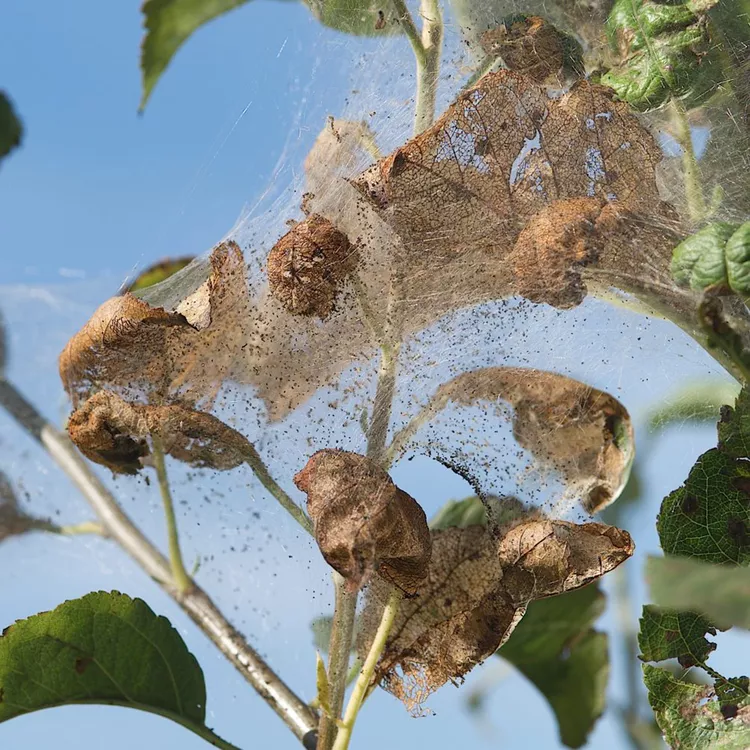
If there was a contest for the ugliest pest infestations on trees and shrubs, fall webworms would likely take the prize. These caterpillars spin protective webs or nests around a few leaves on a branch and then proceed to eat all the leaves within the nest. As the caterpillars grow, the nest expands to encapsulate even more leaves. Some nests can reach more than 3 feet across. When several of these web-covered "apartments" cover the branches of your tree or shrub, it's not a pretty sight. But there's good news: plants usually recover well the following year. Still, there are several ways to get rid of webworms in trees and shrubs.

Alder, willow, cottonwood, apple, pear, peach, pecan, walnut, elm, and maples are most susceptible to fall webworms, but these pests are known to make their nests in more than 90 different species. And don't be fooled by their name. Fall webworms often start spinning webs and eating foliage in June. These summer infestations are smaller than the extensive colonies that form in late summer and fall. So if you begin dealing with fall webworms in summer when you first notice them, you'll avoid a more significant infestation in fall.

Strategy 1: Remove the Webs

In small trees and shrubs, the most effective way to get rid of webworms can be physically removing the webbing with a rake, a big stick, or a strong stream of water from your hose. In larger trees, you can prune out the affected branches. Bag the nests and throw them in the trash or toss them on the ground and stomp on them to kill the webworms. Remove the webs as soon as you notice them (often in June or July) to prevent the caterpillars from reproducing and taking over the entire plant.


Even if you can't completely remove the nests, don't worry. Simply damaging them and opening them up is enough to allow birds or beneficial insects to invade and get rid of the pests for you.

Strategy 2: Encourage Beneficial Insects

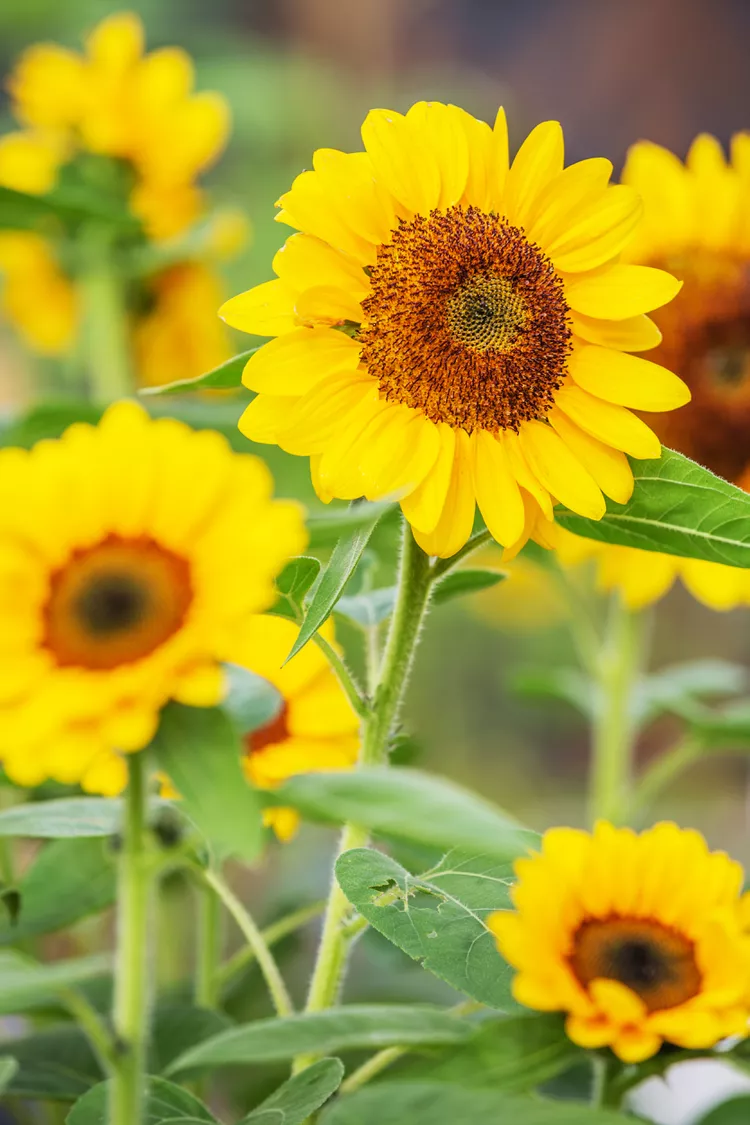
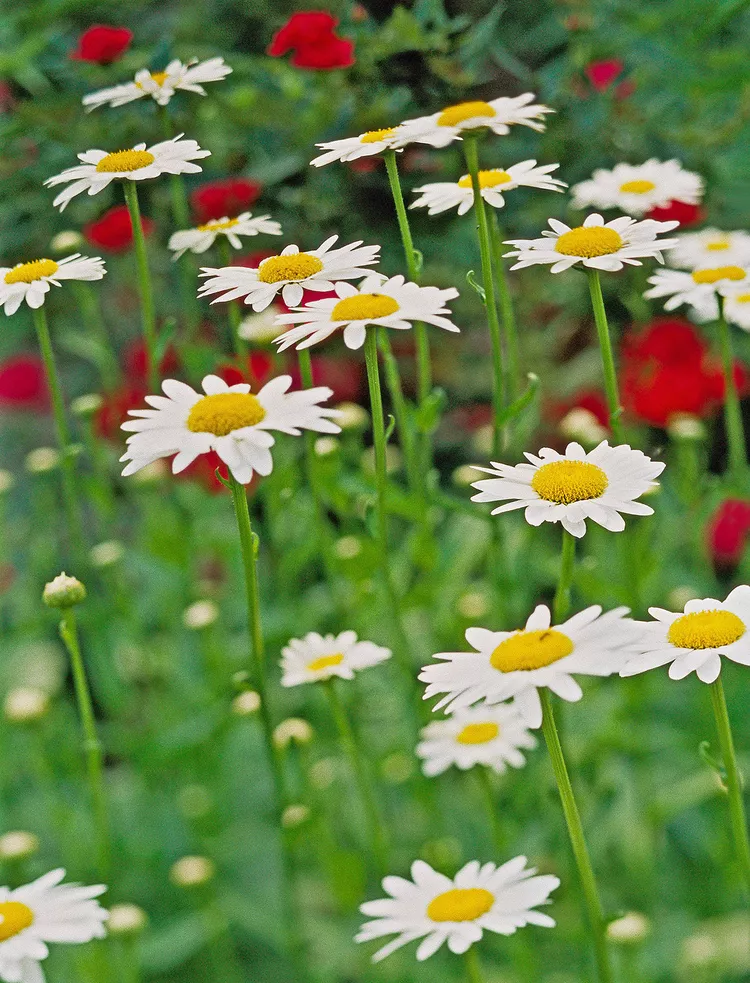
Many species of insects, including a number of tiny wasps, attack and kill fall webworms for food. Entomologists have found more than 80 predators and parasites that feast on them. Encourage beneficial insects by planting sunflowers and other plants in the daisy family in your yard. Or purchase beneficial wasps from an online supplier.

Strategy 3: Treat Fall Webworms With Bt

A bacterium called Bt infects and kills many species of caterpillars, including fall webworms. Bt won't cause damage to plants, people, or pets. It's most effective if you can break a hole in the webbing to spray it onto the pests. However, Bt will also kill the caterpillars of many butterflies like monarchs, so use it with caution.

Strategy 4: Spray Webworm Nests with Neem

Neem is one of several organic insecticides available. This product is derived from a tropical tree and can be very effective at getting rid of all sorts of insect pests. Like Bt, it won't cause damage to plants, people, or pets. However, while neem is organic, it will kill many beneficial insects like essential pollinators, so spray with care.

Strategy 5: Look the Other Way

Remember that webworms don't typically cause long-term damage to trees and shrubs. The damage looks far worse than it is. The most organic approach is to let the webworms be. Even if they defoliate your plant, it's usually late enough in the season that it doesn't do lasting harm. Chances are, the heavy rains of late fall and snow in winter will knock the webs off the trees. Water the affected plant deeply in the fall to encourage strong root growth going into winter, and you can expect healthy new growth to appear in the spring.

Frequently Asked Questions

  • Do webworms turn into butterflies?

    Webworms don't turn into butterflies. They turn into moths that are brown or dark gray. These moths lay eggs on the undersides of leaves that typically hatch in June.

  • What does webworm damage look like?

    Small dry, brown patches in the grass could be a sign that webworms are present. Brown webs in the upper branches of your trees are another indicator that you're dealing with an infestation.

  • Are webworms harmful to humans?

    Webworms are not harmful to humans or pets. They do not bite and are not toxic. They only damage shrubs and trees, while leaving behind unsightly webs.

Related Article

How to Make a Spherical Hanging Basket in Just 20 Minutes
30.4K
3K
1.3K

How to Make a Spherical Hanging Basket in Just 20 Minutes

Create a sphere hanging basket to show off your flowers in just 20 minutes with these easy instructions.
How to Make an Adorable Well for Your Fairy Garden
6.8K
547
175

How to Make an Adorable Well for Your Fairy Garden

Add a touch of charm to your fairy garden with this DIY well, complete with a tiny basket. Follow these step-by-step directions and images to make your minature fairy well magical.
Easy 4-Step DIY Paver Planter Box
40.2K
2.4K
626

Easy 4-Step DIY Paver Planter Box

Skip the store-bought concrete containers and instead make your own with this easy DIY planter roject.
What Is an Olla Pot? Plus 10 Tips for Efficiently Watering Plants with It
1.4K
67
22

What Is an Olla Pot? Plus 10 Tips for Efficiently Watering Plants with It

Olla pots simplify plant watering and reduce water waste. Here's how to make a DIY olla pot and 10 tips for using it for efficient watering.
Got Lots of Dandelions? Here's What Your Lawn Is Trying to Tell You
20K
1K
230

Got Lots of Dandelions? Here's What Your Lawn Is Trying to Tell You

Dandelions will quickly take over a lawn that needs help. Learn how to discourage them from taking root with these lawn care tips.
5 Smart Tips for Protecting Shrubs from Winter Damage
34.8K
347
170

5 Smart Tips for Protecting Shrubs from Winter Damage

Help your shrubs survive the winter with these tips on how to protect them from damage due to harsh weather and hungry critters.
Yes, You Can Grow Magnolia Trees in Pots—Here’s How to Succeed
25.2K
1.8K
776

Yes, You Can Grow Magnolia Trees in Pots—Here’s How to Succeed

With a big planter and a small variety, here’s how to grow a magnolia in a pot.
How to Plant and Grow Glossy Abelia
43.4K
3.5K
346

How to Plant and Grow Glossy Abelia

This guide on how to grow glossy abelia includes essential planting and care tips such watering, fertilizing, and pruning needs. You'll also find popular types of abelia to grow and pretty companion plants for this flowering shrub.
Top Plants for Florida Landscaping and Gardens
30.2K
2.7K
679

Top Plants for Florida Landscaping and Gardens

The tropical environment means top plants for Florida will thrive and grow, adding lush, green bulbs, trees and perennials to landscapes and gardens.
15 Super Plants for Texas Landscapes
43.8K
3.9K
1.2K

15 Super Plants for Texas Landscapes

These plants are superstars in Texas gardens and landscapes. Experts recommend them for their ability to thrive in south-central climates.
How to Plant and Grow Purple Poppy Mallow
31.3K
625
100

How to Plant and Grow Purple Poppy Mallow

Also called winecup, purple poppy mallow thrives in sunny spots.
How Long Does It Take for Sunflowers to Grow from Seed?
3.7K
295
112

How Long Does It Take for Sunflowers to Grow from Seed?

How long does it take for sunflowers to grow from seed? It varies. This guide covers harvest times for microgreens, cut flowers, and edible seeds.
How to Build a Broken Brick Patio
30K
1.2K
323

How to Build a Broken Brick Patio

With simple tools and no masonry experience, you can turn a pile of old broken bricks into a handsome patio or garden path.
How to Grow and Care for a Coffee Plant Indoors
21K
840
386

How to Grow and Care for a Coffee Plant Indoors

Learn how to grow a coffee plant indoors, including tips on light, humidity, watering, and pot size. This houseplant will add a tropical touch to your home with its glossy green leaves.
Should You Use Japanese Beetle Traps? Here’s What Experts Say
8.6K
516
87

Should You Use Japanese Beetle Traps? Here’s What Experts Say

When used incorrectly, Japanese beetle traps can make your garden worse. Learn other ways to keep these pests away.
How to Grow Ginger Root Indoors in 4 Simple Steps
33.6K
1.7K
521

How to Grow Ginger Root Indoors in 4 Simple Steps

Use this guide to grow a ginger root into a new plant and harvest more ginger.
10 Best Tomato Companion Plants to Grow
26.7K
2.1K
1K

10 Best Tomato Companion Plants to Grow

Keep tomato hornworms and other common tomato pests away with the help of companion planting. From basil to sunflowers, these top tomato companion plants include herbs, vegetables, and flowers that help discourage pests.
Brighten Up Small Spaces with This Corner of Perennials Garden Plan
43.3K
1.3K
182

Brighten Up Small Spaces with This Corner of Perennials Garden Plan

Create a colorful nook with this corner of perennials garden plan, which includes a simple arrangement of easy-care, flowering plants.
What is a Sensory Garden? Plus 3 Expert Tips on How to Create One
29.5K
295
144

What is a Sensory Garden? Plus 3 Expert Tips on How to Create One

Plant a garden that engages your five senses (sight, sound, smell, touch, and taste). This explains what a sensory garden is and provides tips for creating your own.
Grow Perfect Tomatoes with This PVC Trellis
25.6K
2.6K
383

Grow Perfect Tomatoes with This PVC Trellis

Protect your homegrown produce and learn how to make an arbor made with PVC pipes. This easy project is much less expensive than store-bought options!