
Growing fruits and vegetables free of contaminants in an elevated area is good for your back, health, appetite, and the environment. These suggestions will help you succeed in starting an organic raised garden bed.
Planter Boxes vs. Raised Garden Beds
Planter boxes, which work best for plants with shallow roots, are self-contained with solid sides and a bottom. On the other hand, raised garden beds include sides but no bottom and sit on top of the soil—allowing plants with deeper roots to grow past the depth of the bed.
Planning an Organic and Non-Toxic Raised Garden Bed
Like other landscape features, not all raised beds are the same. Determine what will work best for you by considering these questions:
Where do you want to place your raised beds?
Choose a relatively level spot in full sun—avoid trees and bushes that will reduce the amount of sunlight that makes it through to the plants. Even if the best location is in the middle of your backyard, don't fret about chopping up sod or hauling away gravel in the way. Instead, simply build the raised garden right over the top.
Tip: Stop weed growth by cutting the grass and weeds as short as possible. Then cover the bottom of the bed with a thick layer of overlapping newspapers or sheets of cardboard before adding soil.
How much full sun will each raised bed get per day?
If you want to grow vegetables, make sure the non-toxic raised garden bed will get 8 to 10 hours of full sun per day. More is even better. Less than 6 hours of full sun will decrease the yield in your garden. In fact, crops like tomatoes may never actually produce fruit. On the other hand, crops like lettuce appreciate some shade. Think ahead to plant the right flowers, fruits, and vegetables in the right conditions.
What's the best wood for organic raised garden beds?
- Choose rot-resistant cedar, cypress, or locust.
- If longevity isn't an issue, build the box from hardwood planks or logs made of white oak, fir, or juniper. You can also use recycled materials such as barn wood.
- Avoid using treated lumber, such as railroad ties and utility poles, because the creosote used to treat them may leach into the soi
You don't have to build the frame out of wood for your raised bed garden to be truly organic. Other options are bricks, flagstone, or even large river rocks. (Add a non-toxic garden bed liner to hold the soil in place.) Steer clear of concrete; it may leach into your soil and alter soil acidity.
You can also create an organic raised garden bed without building a frame. Just mound rich organic soil to a height of 12 to 20 inches between two parallel furrows.
What length and width will let you grow what you need while still being easy to maintain?
Many gardeners like to build non-toxic raised garden beds that are 6 to 8 feet long—handy because most timbers come in 8-foot lengths. If you build a bed any longer, you'll be tempted to cut through the middle of the garden to get to the other side instead of walking around it. Your time-saving shortcut will compact the soil, which isn't good for plants.
Regarding the best width: Build raised garden beds that are narrow enough to let you reach the middle easily from both sides. Most raised gardens are 4 feet across because the average person can reach about 2 feet.
If you want multiple beds, leave enough space between them for a wheelbarrow. That will make it easier on you when it's time to add soil/amendments, spread mulch, and harvest produce. Likewise, if you want to grow grass between your beds, leave enough space for a lawn mower to roll through.
How tall do you want to make the raised beds?
If you're planning to grow root vegetables, build your raised-bed vegetable garden at least 12 to 18 inches tall. The good news? That height bed will be easier to build than a taller one. The not-so-good news? You'll need to kneel and bend while gardening. The shallow depth will be problematic for deep-rooted plants. And all of the plants will be at risk if the native soil beneath the bed is contaminated.
If you build a frame that reaches slightly below waist level (28 to 30 inches high), you'll be able to sit on edges to work the soil and harvest your bounty. That's a benefit for people with aching joints or who use a wheelchair. Also, build raised vegetable garden beds at least 4 feet tall (they'll take a mountain of soil to fill) to discourage furry invaders like rabbits and moles.
What do you want to grow in each bed?
Vegetables? Companion plants to deter pests? Perennials, including native plants that attract beneficial insects? Consider each plant's mature size—height and spread. (Corn, pumpkins, melons, potatoes, and winter squash need lots of space to thrive.) Allot enough room in the raised beds to accommodate the chosen plants, or you'll see a decrease in productivity.
Tip: You may want to plant your vegetable seeds, seedlings, or transplants in rows to make it easier to weed and harvest.
Organic Soil and Non-Toxic Raised Garden Beds
You might decide to fill your non-toxic raised garden bed with purchased soil, compost, and amendments. If you choose to go in this direction, buy organic soil and organic compost from a reliable source—when in doubt, look for the Organic Materials Review Institute (OMRI) certification on the product.
Most gardeners use their existing soil in raised beds, adding organic amendments such as compost and fertilizers when needed. However, a frequently missed step is doing a soil test to determine the basics of the existing soil. Soil texture, soil acidity, soil nutrient deficiencies or overabundance, and soil contaminants, like lead and other heavy metals, can be determined by soil tests.
Organic Vegetable Gardening in Raised Beds
Raising fruits and vegetables free of contaminants is one of the key reasons to garden organically. So when designing a raised garden bed for vegetables, you need to consider the root depth of the produce you'll plant; that depth determines the height of the frame.
Many vegetables have shallow roots 12 to 18 inches long, including arugula, broccoli, cabbage, endive, garlic, bok choy, lettuce, onions, potatoes, and spinach. On the other hand, vegetables such as asparagus, lima beans, okra, parsnips, pumpkins, winter squash, sweet potatoes, tomatoes, and watermelon have roots that reach 2 to 3 feet into the earth.
Knowing the length of the roots guides the height of your raised garden beds. Because there isn't a barrier at the bottom of a raised bed, more deep-rooted vegetables may grow beyond the organic soil into your existing soil. This can result in the absorption of potential contaminants and loss of their organic status. If the underlying soil is contaminated by toxins, make sure the raised bed is tall enough to keep roots happy in organic soil.
Choosing Organic Seeds and Plants
An organic raised bed garden starts with organic soil. For completely organic results, fill the garden with organic plants, rather than plants started in soil amended with synthetic chemicals. One option is to plant organic seeds; vegetable and annual seeds are relatively easy to find, but organic perennial seeds take more work to track down. Visit local native-plant nurseries, look for online retailers, and check the websites of local native plant societies, which sometimes include a list of plant resources.
Buying certified-organic live plants is also a challenge. You'll have better luck finding organic vegetable seedlings than those for flowering plants. Why? Vegetables are grown for consumption, which boosts demand. Organic flowering plants tend to look less robust than those grown in conventional nurseries, so demand is smaller. Plus, it's expensive for nurseries to get organic certification.
To find organic flowering plants, search for small backyard growers or specialty mail-order nurseries to satisfy your needs for organic plants. Be prepared to pay more for organic plants, too, but think of what you'll save when you get organic produce from your raised garden bed instead of the supermarket.
Controlling Insects in a Raised Bed
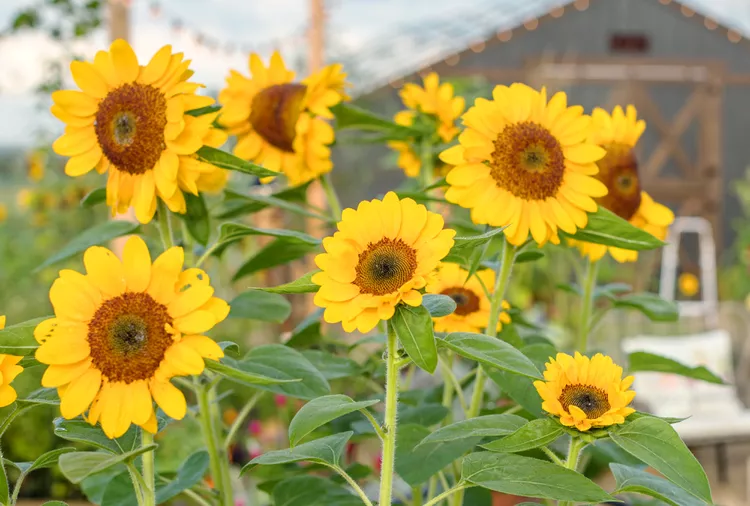
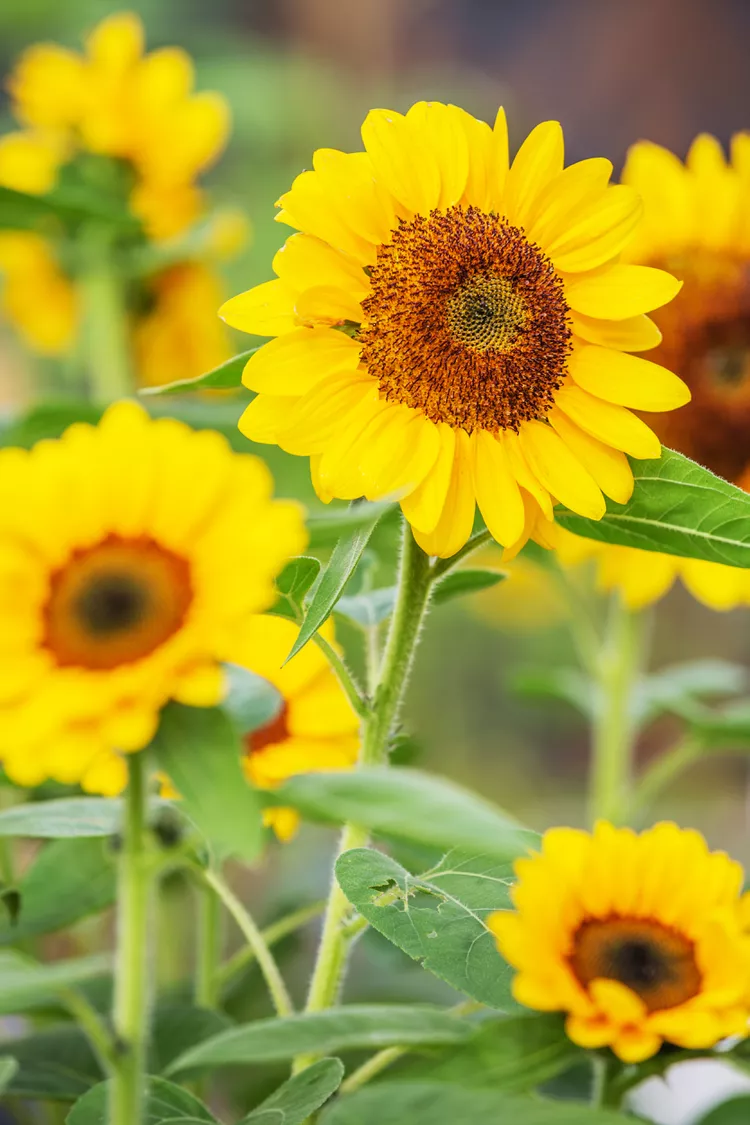
Pests are a reality in any garden. Keep your non-toxic raised garden bed organic while minimizing plant damage by attracting nature's pest control: beneficial insects like lady beetles, lacewings, and predatory wasps. Attract them with companion plants in and around your raised beds. Dill, fennel, coriander, Golden Alexanders, yarrow, sunflowers, and goldenrods are a few great options.
Companion plants also protect produce by confusing pests that come to the garden for meals. You can separate rows of cabbage, broccoli, or tomatoes with rows of onions, and the latter's strong scene baffles hungry insects and caterpillars. Carrot flies are repelled by leeks.
Here are some additional control methods that don't negatively affect the environment:
- Traps: Control white flies, aphids, thrips, and leafhoppers by setting out bright yellow sticky traps. Pitfall traps (e.g., jars filled with beer or water mixed with yeast) trap slugs.
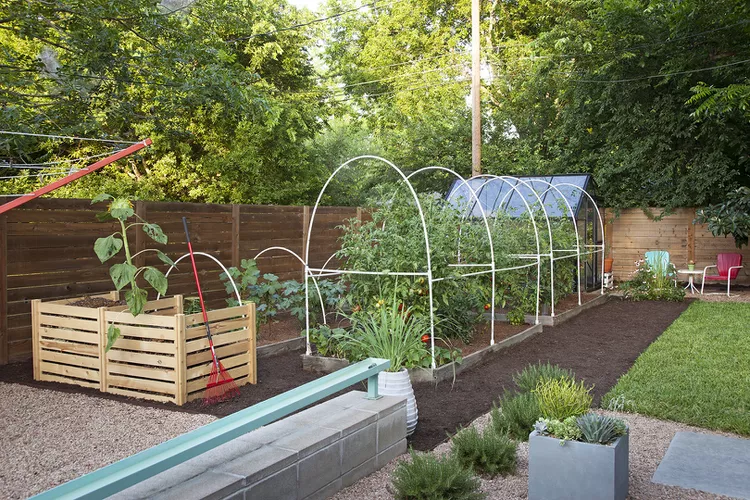
- Barriers: Cardboard and metal collars keep cutworms from reaching young plants. Crushed eggshells stop slugs. Screens provide a physical barrier against insects. (They may also prevent pollinating insects from doing their jobs so weigh the pros and cons.) Individual cloches and/or ring tunnels covered in fine mesh deter flying insects.
- Water: Wash aphids, spider mites, and other small insects from foliage with a jet of water from a hose.
- Elbow grease: Handpick hornworms from tomato plants and drop them into a bucket of sudsy water.
- Insecticidal soaps: These kill soft-bodied pests such as aphids, thrips, crawler-stage scale insects, whiteflies, leafhoppers, and mites.
- Botanical insecticides (derived from plants): These natural repellents act rapidly to stop insect feeding, although the pests may not die for days. Although considered organic, these insecticides may harm beneficial garden insects.