How to Attract Cardinals So You Can Enjoy Their Beauty in Your Yard

23.4K
2.3K
750
2025-10-31
How to Attract Cardinals So You Can Enjoy Their Beauty in Your Yard

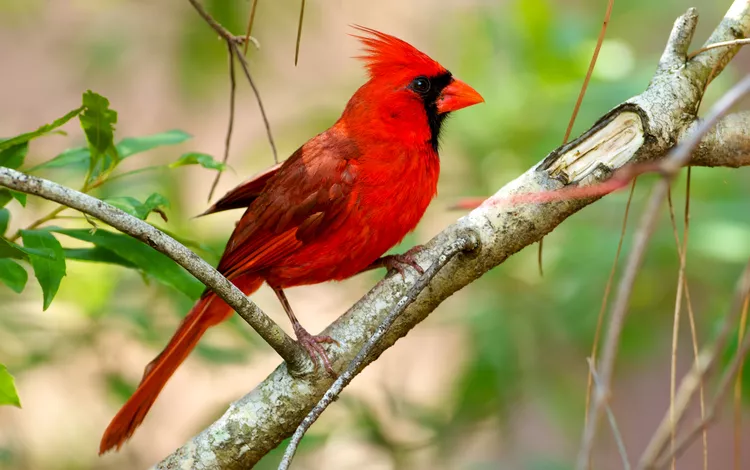
It's always a thrill when wild birds visit your garden. Cardinals are one of the easiest to recognize when you catch a glimpse of one perched outside your window. The males' bright red plumage makes them stand out wherever they go. Both males and females sport jaunty top-hat-like crests and sing cheerful melodies.

Cardinals are at home in most rural and suburban areas across North America. They don't migrate, so you can expect to see them year-round. With a few cardinal-friendly landscaping tips, you can invite these common but beautiful songbirds to take up residence in your yard.

1. Plant Cardinals' Favorite Trees and Shrubs

Cardinals are voracious seed eaters. While they are frequent feeder visitors, they gather most of their food from nature. A good plan for how to attract cardinals is to add some of their favorite seed sources to your yard to encourage them to forage in your landscape year-round. Native trees and shrubs are always a good bet when you want to attract local birds. Some of the cardinals' favorite trees include mulberry, serviceberry, flowering dogwood, crabapple, and spruce. Shrubs at the top of their feeding list include staghorn sumac, red-osier dogwood, gray dogwood, and viburnum species.

2. Add Layers to Your Landscape

Dense, twiggy shrubs often serve as nesting sites for cardinals. Their four-layer nests consist of a twig frame covered by a leafy mat lined with bark and grasses. These mini masterpieces take 3-9 days to build. Various shrubs will provide a good mix of materials the active birds need to construct a home.

In addition to plants that lose their leaves in the fall, make sure to include a few evergreen shrubs and trees, which the birds prefer in winter. Cluster several of these shrubs together near the edges of your property to create an inviting habitat. You can double the benefit when choosing shrubs that are food sources for cardinals.

3. Include a Water Source

Like all backyard songbirds, cardinals are attracted to water (preferably moving water). Build your own bird bath and add a small solar-powered fountain to keep the water moving, or purchase one with a built-in fountain. The moving water will also discourage mosquitoes from laying eggs in the water. Still, birdbaths should be cleaned and replenished with fresh water every few days anyway. A simple bird bath heater will keep the water from freezing solid in cold winter areas.

4. Hang a Bird Feeder

When it comes to the type of bird feeder, cardinals aren't choosy. A platform feeder makes way for easy bird watching while a tube feeder is easy to fill and clean. Use your favorite feeder, but take cues from ornithologists (bird experts) about how to attract cardinals by using the right food in the feeder. Studies have found that cardinals are most attracted to black oil sunflower seeds. Cardinals also like to eat hulled sunflower seeds, safflower, cracked corn, and peanut hearts.

A word of caution: cardinals are relatively slow fliers because of their larger bodies and short, rounded wings. When they're on the ground picking up fallen seeds from feeders, they make easy prey for cats, so it's best to keep your felines indoors. And try to locate feeders away from shrubs and other vegetation where other predators could hide.

5. Encourage Caterpillars

While cardinals eat seeds and other plant parts (they've been known to eat the spring flowers of forsythia and redbud) most of the year, their diet shifts to more protein-rich insects during breeding season in the summer. When chicks hatch, their parents mainly feed them soft caterpillars. You can make it easier on the birds by adding plenty of caterpillar host plants, such as dill, fennel, parsley, coneflowers, and milkweed, to your container plantings and garden beds. Caterpillars will munch a few leaves on the host plants, but cardinals will find them before any significant damage happens.

If you don't want to add plants to your garden, the next best thing you can do is avoid using pesticides that kill caterpillars. Think of these insect larvae as essential food for cardinal chicks and many other backyard birds.

6. Let Perennials Stand Through Winter

Dried seed heads and foliage create foraging ground for cardinals in winter when it's not uncommon to see a flock of a dozen or more birds. While they typically forage solo or in pairs during the breeding season, winter brings the birds together. A large stand of perennials, combined with nearby shrubs, will create a valuable food and shelter source for the flock.

7. Provide Perches

Male cardinals regularly sing from perches high in trees. Choose trees with a columnar or narrow shape, such as arborvitae, for smaller landscapes. These trees will grow tall more than they grow out, providing places for cardinals to sing without encroaching on nearby plants or structures.

Fun fact: Only a few female North American songbirds sing, but the female northern cardinal does, often while sitting on the nest. Scientists believe her songs may share information with her mate about when to bring food to the nest.

Related Article

How to Make a Spherical Hanging Basket in Just 20 Minutes
30.4K
3K
1.3K

How to Make a Spherical Hanging Basket in Just 20 Minutes

Create a sphere hanging basket to show off your flowers in just 20 minutes with these easy instructions.
How to Make an Adorable Well for Your Fairy Garden
6.8K
547
175

How to Make an Adorable Well for Your Fairy Garden

Add a touch of charm to your fairy garden with this DIY well, complete with a tiny basket. Follow these step-by-step directions and images to make your minature fairy well magical.
Easy 4-Step DIY Paver Planter Box
40.2K
2.4K
626

Easy 4-Step DIY Paver Planter Box

Skip the store-bought concrete containers and instead make your own with this easy DIY planter roject.
What Is an Olla Pot? Plus 10 Tips for Efficiently Watering Plants with It
1.4K
67
22

What Is an Olla Pot? Plus 10 Tips for Efficiently Watering Plants with It

Olla pots simplify plant watering and reduce water waste. Here's how to make a DIY olla pot and 10 tips for using it for efficient watering.
Got Lots of Dandelions? Here's What Your Lawn Is Trying to Tell You
20K
1K
230

Got Lots of Dandelions? Here's What Your Lawn Is Trying to Tell You

Dandelions will quickly take over a lawn that needs help. Learn how to discourage them from taking root with these lawn care tips.
5 Smart Tips for Protecting Shrubs from Winter Damage
34.8K
347
170

5 Smart Tips for Protecting Shrubs from Winter Damage

Help your shrubs survive the winter with these tips on how to protect them from damage due to harsh weather and hungry critters.
Yes, You Can Grow Magnolia Trees in Pots—Here’s How to Succeed
25.2K
1.8K
776

Yes, You Can Grow Magnolia Trees in Pots—Here’s How to Succeed

With a big planter and a small variety, here’s how to grow a magnolia in a pot.
How to Plant and Grow Glossy Abelia
43.4K
3.5K
346

How to Plant and Grow Glossy Abelia

This guide on how to grow glossy abelia includes essential planting and care tips such watering, fertilizing, and pruning needs. You'll also find popular types of abelia to grow and pretty companion plants for this flowering shrub.
Top Plants for Florida Landscaping and Gardens
30.2K
2.7K
679

Top Plants for Florida Landscaping and Gardens

The tropical environment means top plants for Florida will thrive and grow, adding lush, green bulbs, trees and perennials to landscapes and gardens.
15 Super Plants for Texas Landscapes
43.8K
3.9K
1.2K

15 Super Plants for Texas Landscapes

These plants are superstars in Texas gardens and landscapes. Experts recommend them for their ability to thrive in south-central climates.
How to Plant and Grow Purple Poppy Mallow
31.3K
625
100

How to Plant and Grow Purple Poppy Mallow

Also called winecup, purple poppy mallow thrives in sunny spots.
How Long Does It Take for Sunflowers to Grow from Seed?
3.7K
295
112

How Long Does It Take for Sunflowers to Grow from Seed?

How long does it take for sunflowers to grow from seed? It varies. This guide covers harvest times for microgreens, cut flowers, and edible seeds.
How to Build a Broken Brick Patio
30K
1.2K
323

How to Build a Broken Brick Patio

With simple tools and no masonry experience, you can turn a pile of old broken bricks into a handsome patio or garden path.
How to Grow and Care for a Coffee Plant Indoors
21K
840
386

How to Grow and Care for a Coffee Plant Indoors

Learn how to grow a coffee plant indoors, including tips on light, humidity, watering, and pot size. This houseplant will add a tropical touch to your home with its glossy green leaves.
Should You Use Japanese Beetle Traps? Here’s What Experts Say
8.6K
516
87

Should You Use Japanese Beetle Traps? Here’s What Experts Say

When used incorrectly, Japanese beetle traps can make your garden worse. Learn other ways to keep these pests away.
How to Grow Ginger Root Indoors in 4 Simple Steps
33.6K
1.7K
521

How to Grow Ginger Root Indoors in 4 Simple Steps

Use this guide to grow a ginger root into a new plant and harvest more ginger.
10 Best Tomato Companion Plants to Grow
26.7K
2.1K
1K

10 Best Tomato Companion Plants to Grow

Keep tomato hornworms and other common tomato pests away with the help of companion planting. From basil to sunflowers, these top tomato companion plants include herbs, vegetables, and flowers that help discourage pests.
Brighten Up Small Spaces with This Corner of Perennials Garden Plan
43.3K
1.3K
182

Brighten Up Small Spaces with This Corner of Perennials Garden Plan

Create a colorful nook with this corner of perennials garden plan, which includes a simple arrangement of easy-care, flowering plants.
What is a Sensory Garden? Plus 3 Expert Tips on How to Create One
29.5K
295
144

What is a Sensory Garden? Plus 3 Expert Tips on How to Create One

Plant a garden that engages your five senses (sight, sound, smell, touch, and taste). This explains what a sensory garden is and provides tips for creating your own.
Grow Perfect Tomatoes with This PVC Trellis
25.6K
2.6K
383

Grow Perfect Tomatoes with This PVC Trellis

Protect your homegrown produce and learn how to make an arbor made with PVC pipes. This easy project is much less expensive than store-bought options!