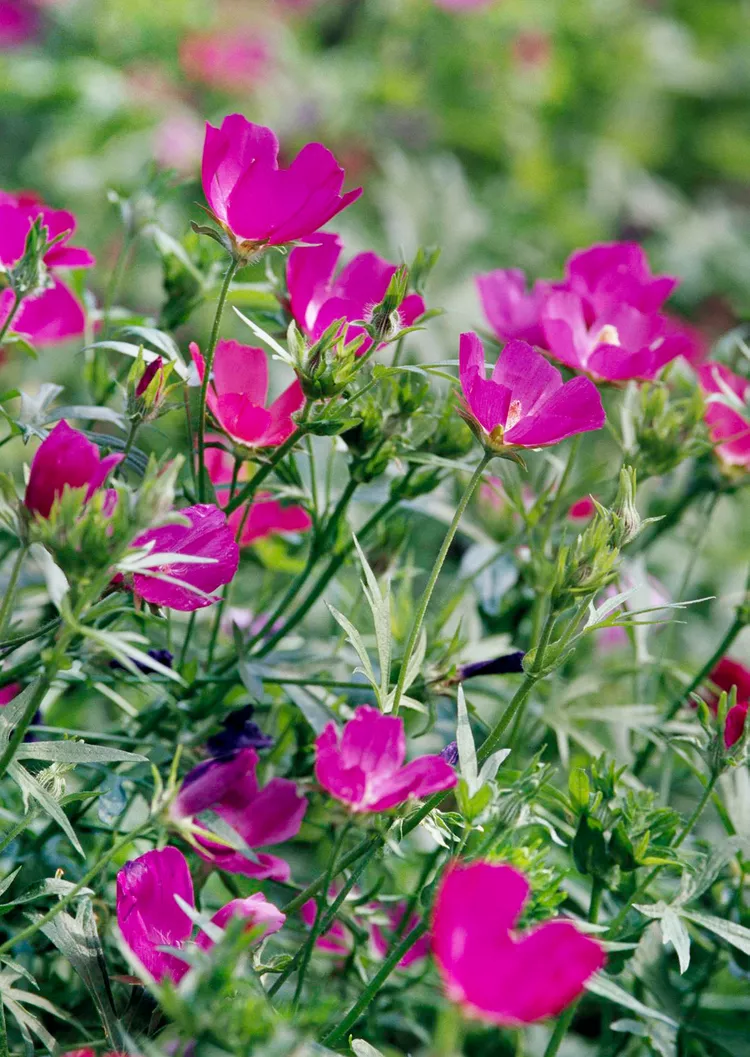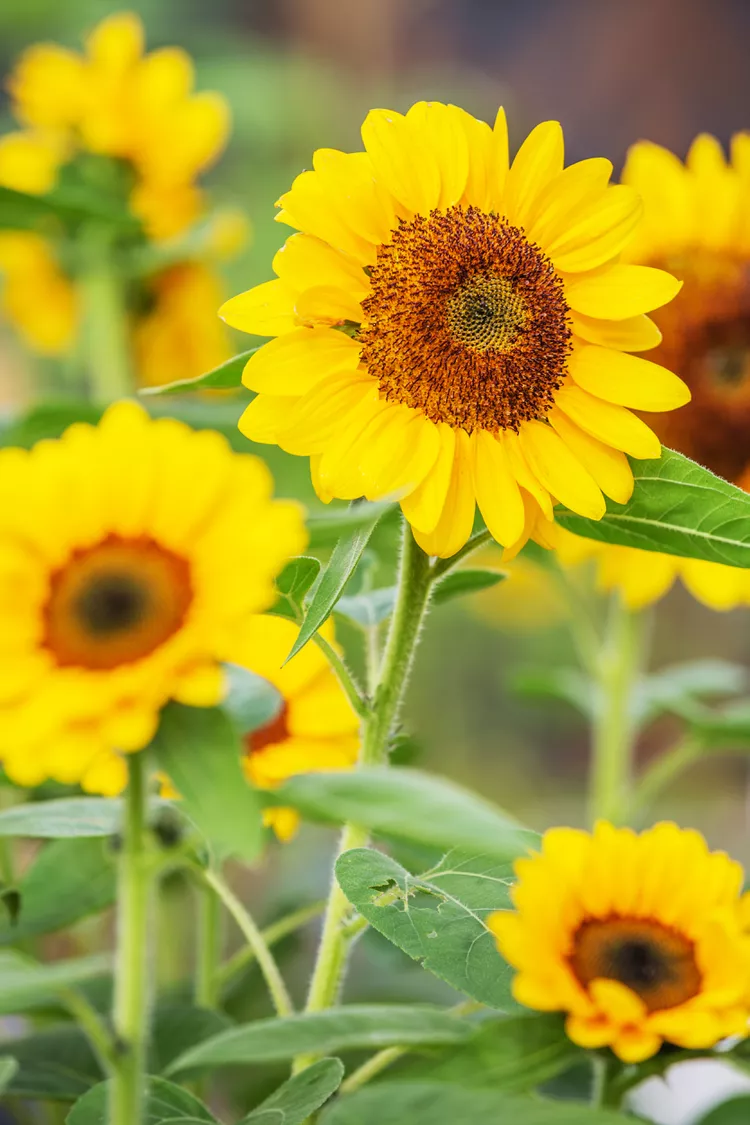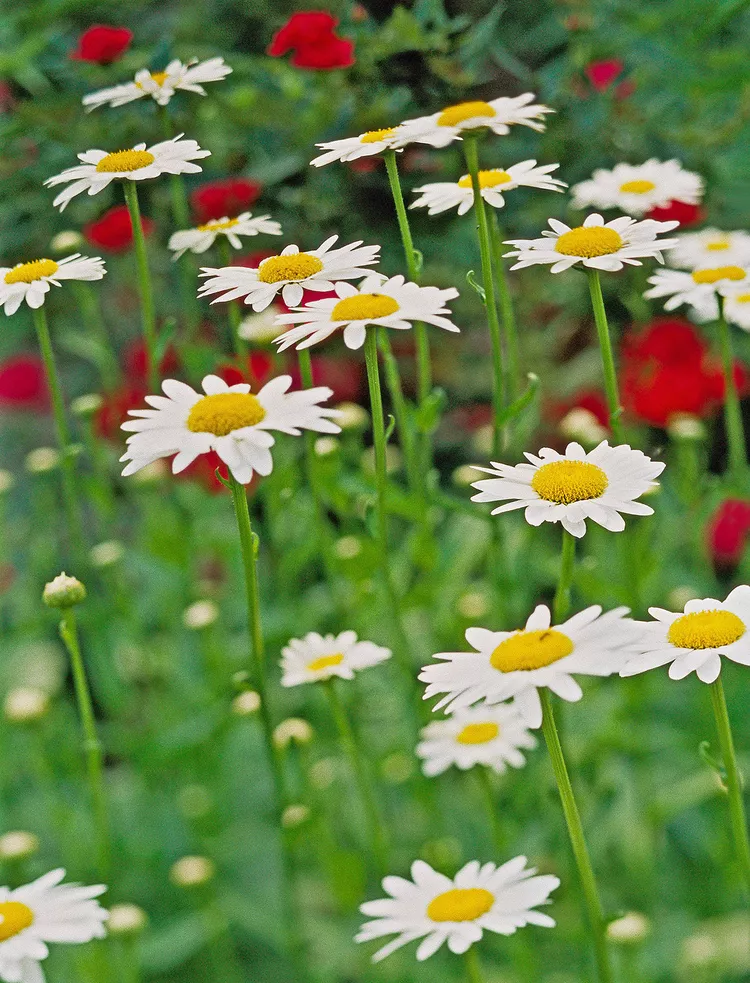
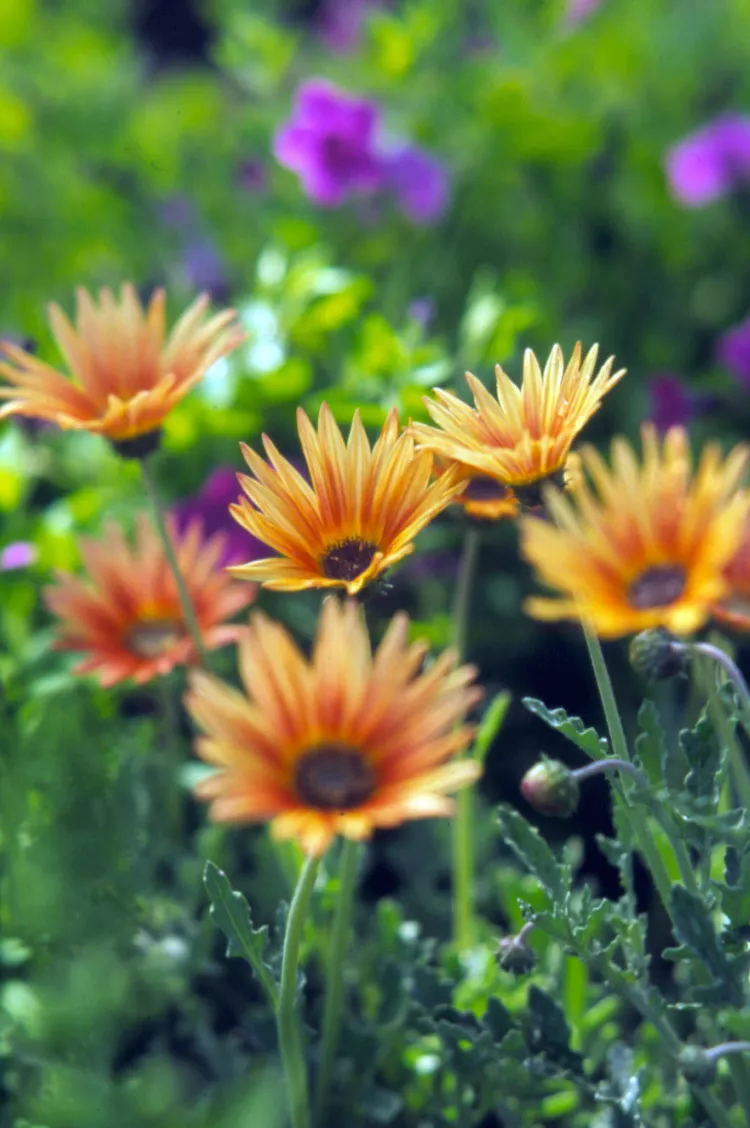
African daisy (Arctotis spp.) is a tough annual native to South Africa. These plants have silvery gray foliage that perfectly sets off their colorful flowers. The blooms can last a long time in mild climates. The flowers consist of a ring of showy outer petals in bright colors and a compact "eye" in the center. The eye of the African Daisy bloom can be several different colors, typically brown, gold, pink, or green. The plants are hardy in Zones 9-11.
African Daisy Overview
| Genus Name | Arctotis |
| Common Name | African Daisy |
| Plant Type | Annual |
| Light | Sun |
| Height | 1 to 3 feet |
| Width | 2 to 3 feet |
| Flower Color | Orange, Pink, Purple, Red, White, Yellow |
| Foliage Color | Blue/Green, Gray/Silver |
| Season Features | Fall Bloom, Spring Bloom, Summer Bloom, Winter Bloom |
| Special Features | Attracts Birds, Good for Containers |
| Zones | 10, 11, 9 |
| Propagation | Seed, Stem Cuttings |
Where to Plant African Daisy
African daisies work well in containers and borders. They prefer full sun and well-drained soil. When deciding where to plant African daisy, remember its flowers close up at night. Blooms sometimes don't fully open when it's overcast or during bad weather. So if you're planting an area that is used primarily in the evening, look for a substitute that can be better enjoyed after dark.
How and When to Plant African Daisy
Plant in spring after the last winter frost. Dig a hole as deep as your plant's nursery container. Remove the plant from the pot and loosen the soil around the roots. Place in the hole and backfill with soil, tamp lightly and water well. African daisy should be planted 12 inches apart since they can grow to be 1 to 3 feet tall and 2 to 3 feet wide. They usually bloom within 2 months of being planted.
Since African daisy will close up during high heat or bad weather, plant it with other flowers to keep your garden full of color.
African Daisy Care Tips
Because these plants hail from sandy and rocky areas in South Africa, African daisies need well-drained soils in order to perform their best. This, however, doesn't mean that they like to stay too hot and dry. In fact, their preferred climate is typically very mild.
Light
African daisies thrive in full sun, and if there's too much shade, they won't flower as abundantly.
Soil and Water
African daisies are fairly drought-tolerant. For best growth, though, they need 1 inch of water per week from rainfall or irrigation. Maintain consistently moist soil that's well-drained and somewhat acidic with 5 or 5.5 pH. Add compost to the soil before planting.
Be careful not to overwater since soggy soil often leads to root rot. If it gets hot or dry, African daisies can stop growing. Additional water should solve the problem.
Temperature and Humidity
When grown in areas with hot summers, African daisies take a break from blooming and focus on surviving the stressful heat of the summer. Once things start to cool back down, they resume blooming and continue until frost. If you're planning on using African daisies in your garden, treat them as a cool season bloom.
Fertilizer
Keep African daisies well-fed with a monthly application of balanced fertilizer, following manufacturer's instructions. Potted plants may require more frequent feeding.
Pruning
To keep African daisies blooming all season, remove any old, spent blossoms from the plants. This will help encourage new growth and keep plants producing flowers longer. If plants become leggy, cut them back.
Potting and Repotting African Daisy
Plant African daisies in a pot with good drainage holes. A well-draining potting mix is a must. Plan on watering more frequently than plants in the garden. Place African daisies in a spot where they'll get full sun. Potted African daisies may need fertilizing more frequently since nutrients can leak out with water.
Pests and Problems
African daisies have few problems beyond the usual garden pests. Their sensitivity to heat is something to pay attention to as the summer gets warmer.
How to Propagate African Daisy
Because many African daisy plants are hybrids, collecting seed is not the best way to obtain new plants for the following year. However, the plants are easy to propagate from cuttings.
In late fall, before the first frost, use sharp bypass pruners to cut 3- to 5-inch-long cuttings with at least two sets of leaf nodes. Select nonflowering stems or pinch off the flower buds. Remove the leaves from the bottom half of the cutting and dip the end into rooting hormone. Insert the cutting into a flat filled with seed-starting mix.
Use a plastic dome to cover the flat and locate it inside in bright indirect light with temperatures between 60ºF and 68ºF. Rooting should take place within four to six weeks. Transplant the seedlings to individual pots filled with potting mix. After the last spring frost, plant them outdoors.
Types of African Daisy
'Pink Sugar' African Daisy
Arctotis 'Pink Sugar' features sunset hues of pink and orange with silvery foliage. Count on it to produce hundreds of blooms throughout the season. It grows 14 inches tall and 10 inches wide.
'The Ravers Hearts and Tarts' African Daisy
Arctotis 'The Ravers Hearts and Tarts' has gray-green foliage and orange-and-pink flowers. It grows 12 inches tall and 16 inches wide.
Companion Plants for African Daisy
Angelonia
Angelonia has flower spires that reach a foot or two high, studded with snapdragon-like flowers with beautiful colorations in purple, white, or pink. It will bloom all summer long in hot, sunny spots. Zones 9-10
Pink Dianthus
Pink dianthus has grasslike blue-green foliage and abundant starry flowers, often spicily fragrant. Flowers appear in spring or summer and tend to be pink, red, white, rose, or lavender. Plants range from tiny creeping groundcovers to 30-inch-tall cut flowers, which are a favorite with florists. Zones 3-10
Stock
Stock offers a spicy, distinctive scent. This annual thrives in cool temperatures and stops blooming once hot weather arrives. Stock is slightly spirelike and comes in a wide range of colors. It grows best in full sun or part shade and moist, well-drained soil. Zones 7-10