
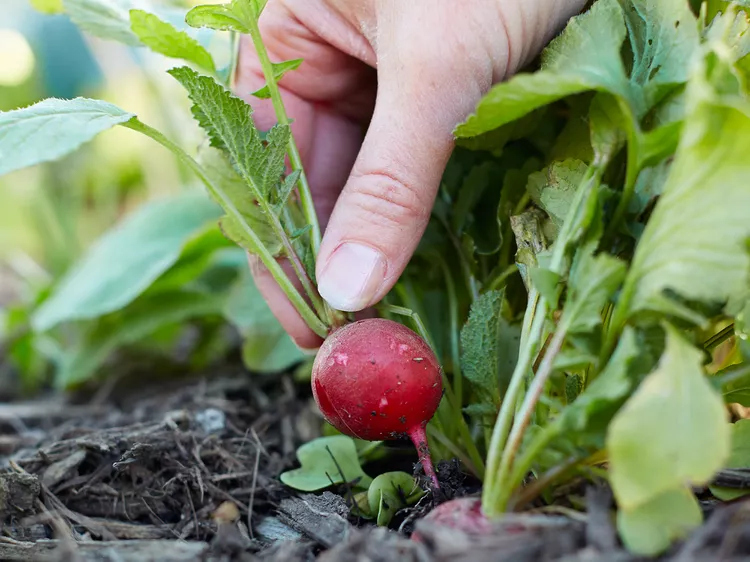
A single tomato seed can yield over 15 pounds of fresh tomatoes, and just one pumpkin seed can produce award-winning pumpkins that weigh in at over a ton. However, to get those big yields, home growers need to know how to keep their plants healthy and make smart use of tight gardening spaces. From space-saving tips to seed selection, you’ll find all the best vegetable garden ideas for growing your most bountiful harvest yet.
1. Choose the Right Seeds
Some vegetable varieties are more productive than others, and choosing the right veggie seeds is key to a garden full of fresh produce. So, if you want a big harvest, read seed catalogs and plant labels carefully and choose cultivars that are known to be prolific producers. For example, pole beans can produce up to twice as many beans as bush beans, and vining cucumbers fruit more prolifically than bush-type cucumbers.
2. Add Compost
Compost is one of the best and most affordable soil amendments. It provides a steady stream of slow-release nutrients to plant roots as they grow. For best results, add an annual application of compost to gardens in spring or fall and apply additional compost, as needed, as a side dressing, top dressing, or to new planting holes.
3. Grow Vertically
Many gardeners overlook vertical growing space, but “growing up” is one of the best ways to get more food out of your garden. Potted plants can be stacked on shelves, while vining plants can be trained to grow up bamboo poles, plant trellises, cattle panels, and netting. Don’t forget that trailing plants, like strawberries, can be grown in towers and hanging baskets.
4. Try Pruning
Not all vegetables need to be pruned, but plants like tomatoes and peppers fruit more prolifically when they’re pruned at the right time. Clipping away extra leaves and suckers redirects the plant’s energy toward fruit production, while clipping off the top of pepper and tomato plants (known as topping) helps the last fruit of the season mature before winter.
5. Plan for Pests
A bad infestation of pests weakens plants, slows growth, and reduces harvest size. So, if you want a big harvest, it’s essential to stay on top of pest control by rotating crops, cleaning up diseased plants in fall, and trying out organic pest control measures like floating row covers.
6. Succession Sow Seeds
Potatoes and peppers are long-season crops that take months to reach maturity, but some fast-growing vegetables can be harvested in only a month or two. Succession sow these types of vegetable seeds at two- to four-week intervals to extend your harvesting window and allow you to grow multiple crops in a single season. Plants that do well with succession planting include:
- Radishes
- Carrots
- Turnips
- Beets
- Lettuce
- Kale
7. Fertilize at the Right Time
Most vegetables need to be fertilized with a liquid or granular fertilizer throughout the growing season, but some plants need more fertilizer than others. Heavy feeders, like tomatoes and pumpkins, fruit more prolifically if provided with a monthly dose of fertilizer and an application of phosphorus and potassium-rich fertilizer when they set fruit and flowers.
8. Extend Your Growing Season
Gardeners in cold areas often struggle with short growing seasons, which limit the types of plants they can grow and how long those plants can be harvested. However, season extension products, like cloches and grow tunnels, can add weeks or months to short growing seasons and protect crops from damage during cold weather.
9. Harvest Often
Unless you eat their leaves, root vegetables can only be harvested once. Other crops can be picked repeatedly, and many perennial vegetable plants are more prolific with frequent harvesting. These crops include cut-and-come-again vegetables like leaf lettuce, kale, beans, peas, tomatoes, and peppers.
10. Experiment with Companion Planting
Plants like squash and pumpkins need to be pollinated by bees and other insects to produce fruit. If pollinators aren’t visiting the gardens, these plants may only grow flowers and never fruit at all. Planting pollinator-friendly companion plants, such as dill, chives, marigolds, and nasturtiums, in your vegetable beds lures pollinators in and ensures your plants are pollinated.
11. Include Containers
If your vegetable beds are already bursting with plants, you can extend your growing space by keeping a few edible plants in grow bags and pots along garden walkways or on your porch or patio. Planting a veggie container garden gives you even more room for growing.
Growing spreading or sprawling plants like mint and pumpkins in containers is an excellent solution for preventing them from taking over a small garden.
12. Prevent Weeds
Weeds occupy gardening space and compete with vegetables for soil nutrients, water, and light. Hand-pulling, mulching, and weed barriers keep weeds down and ensure your vegetables have the resources they need to grow.
13. Explore Square Foot Gardening
Square foot gardening makes smart use of tight spaces, and it’s one of the best techniques for boosting harvest yields in small gardens. With this method, garden beds are divided into 1-foot squares, and a specific number of vegetable plants (based on plant size) are grown in each square. For example, one square foot of gardening space provides ample room to grow 16 carrot plants, nine pole bean plants, or one tomato plant.
14. Water Well
Vegetables won’t grow as well if they don’t receive enough water. Root vegetables, in particular, can develop spindly, threadlike roots when grown in dry soil. Consistent watering helps plants grow more productively. For even better results, you may want to install a drip irrigation system to water the plants for you. Drip irrigation provides a steady stream of moisture straight to the roots while keeping plant leaves dry, which prevents diseases like mildew.
15. Use the Entire Plant
While it’s common to only eat a portion of a vegetable plant, many vegetables are entirely edible. Finding creative ways to enjoy the overlooked parts of veggies can boost your harvest yields even further. For example, all parts of the broccoli plant, including its stems and leaves, are edible, and the leaves of carrots, beets, sweet potatoes, green beans, and turnips are tasty in salads and sautés.