Dogs can eat cantaloupe in moderation. Like other melons, cantaloupe has a high water content and is bursting with nutrients for humans, but these benefits don't always apply to dogs. Dogs' stomachs can only handle certain things in moderation, and this includes fruit. Here's how to feed your dog cantaloupe without making them sick, the proper amounts to give, and what to do if your dog is having a reaction.
Can Dogs Eat Cantaloupe?
Yes, cantaloupe is a relatively safe fruit for dogs to consume in small amounts. As with any new food, it is always wise to introduce it to your dog slowly, so you can easily determine if your dog has an allergy or any trouble digesting them.
Cantaloupe is packed with nutrients, low in calories, and a great source of water and fiber. Although there are many benefits to eating cantaloupe for humans, feeding it to your dog should be done with care and discretion. Moderation is key—a few pieces of cantaloupe are safe for dogs to eat, but too much can cause trouble. If you have questions or concerns about feeding your dog cantaloupe, consult a veterinarian.
Risks of Feeding Cantaloupe to Dogs
Cantaloupe is high in sugar, so it's not a good treat choice for diabetic dogs or those on calorie-restricted diets. In general, too many treats can lead to canine obesity, which can wreak havoc on your dog's body, especially if your dog is prone to joint issues like hip dysplasia. Plus, cantaloupe is relatively high in fiber, and too much can cause gastrointestinal upset. It's also possible for dogs to have an allergic reaction or intolerance to any food.
Monitor your dog after feeding cantaloupe and contact your veterinarian if your dog experiences any of the following:
- Vomiting
- Diarrhea
- Lack of appetite
- Lethargy
- Painful or distended belly
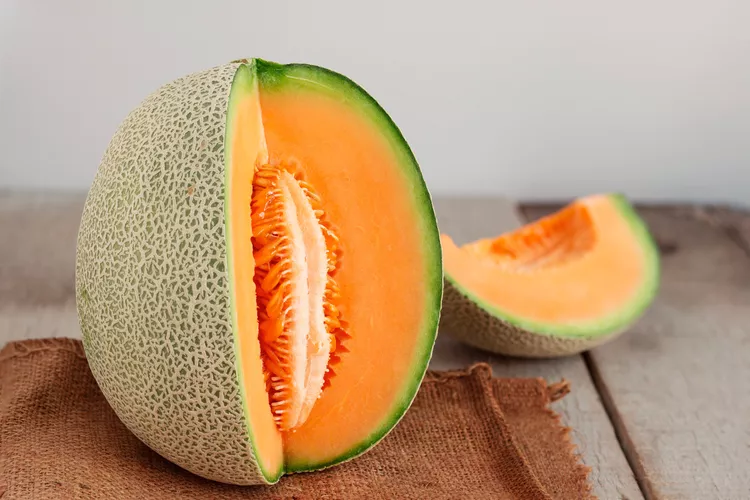
If you choose to feed your dog cantaloupe, offer small amounts of ripe fruit cut into bite-sized pieces. Always avoid the rind as it may be harmful and is not very tasty.
Warning
Cantaloupe rinds are tough, hard to chew, and even harder to digest. They can be a choking hazard and cause irritation when swallowed. Don't feed your dog rinds or let them lick the outside skin, because it may have harmful bacteria that could make them sick.
How to Feed Cantaloupe to Your Dog
As with all fruit, it is important to wash and scrub the outer surface thoroughly prior to preparation. Remove the rinds and the seeds, and slice the melon into small one to two-inch-thick bite-sized wedges depending on the size of your dog.
You can feed cantaloupe to your dog as a special treat and not part of their regular diet. Put the treat in a Kong or another puzzle toy to provide mental exercise for your dog. You can even freeze this fruit to make it last longer and provide a refreshing treat in hot weather.
Cantaloupes are available year-round, but this melon shines during the summer when it’s at its freshest and sweetest. Picking a good, ripe cantaloupe can also make the treat that much better for your dog. Keep in mind, however, that the riper the cantaloupe, the more sugar it contains. Just by tasting, you'll know if a cantaloupe is sweeter than you're used to, which means you should give your dog less.
How to Pick a Ripe Cantaloupe Every Time
A great way to pick a cantaloupe is by smell, the fruit should have a sweet, slightly musky scent. The stem should be no longer attached as a ripe melon will naturally detach from its stem. Lastly, the cantaloupe should feel firm but not rock hard and should be free of bruising.
In summary, cantaloupe can be given to dogs as an occasional treat, provided that the rind and seeds are removed.
-
Can dogs eat cantaloupe rind?
It's not smart to feed your dog cantaloupe rinds: the rinds are fibrous and can cause gastrointestinal upset.
-
Can dogs eat cantaloupe seeds?
Be careful with cantaloupe seeds, as they can be a choking hazard. Best to feed your pooch plain cantaloupe flesh.
-
Can dogs eat other melons?
Dogs can eat many melons, from watermelon to honeydew. Just remove the seeds and rind.