4 Topsoil Mistakes That May Be Hindering Your Gardening Success

45.4K
4.1K
1.3K
2025-11-08
4 Topsoil Mistakes That May Be Hindering Your Gardening Success

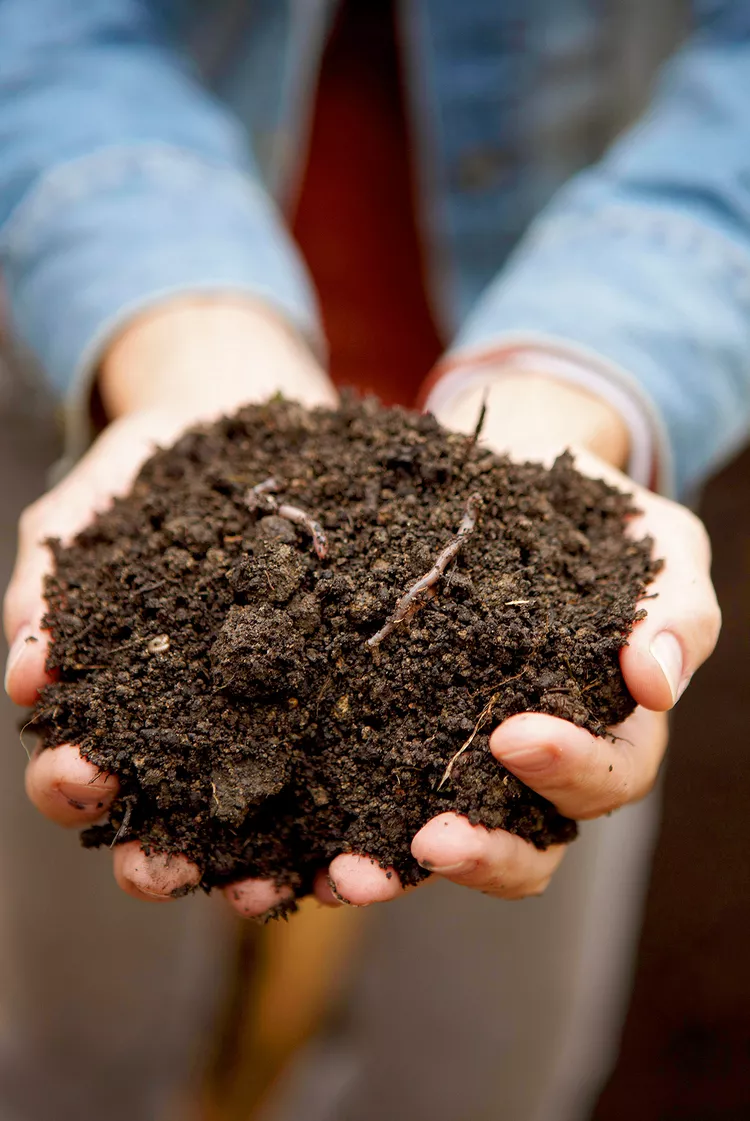
No matter where you garden, it's worth improving the quality of the topsoil you have available. After all, plants rely on topsoil—the uppermost layer of the earth's surface—for water and necessary nutrients. The more organic matter it has, the darker the soil will look (like what you may see sold in bags or bulk as "black dirt"). This type of soil is very easy to dig in and supports healthy plant growth. However, the type of soil actually available in your yard may look very different. Depending on your region, it can vary from reddish clay to beige, sandy soil. Here's what you need to know about improving your topsoil for the best shot at a thriving, plentiful garden.

Topsoil Myths & Misunderstandings

These four common assumptions about topsoil can trip you up, leading you to pay less attention to your topsoil and, thus, harming the success of your garden. Knowing these basics will help you successfully create the best environment you can for your plants.

Topsoil Myth 1: All Topsoil Is Pretty Much the Same

Topsoil can differ dramatically, even in the same yard and from one garden bed to another. All the earth in your yard is made up of sand, silt, and clay in various amounts. The ideal ratio of these three elements allows for good drainage yet holds enough moisture to allow plant roots to access the water they need. Your soil can also vary in pH level, which is a measure of how acidic or alkaline it is; some plants, such as bigleaf hydrangeas, are more affected than others by pH levels, so you may want to tailor your topsoil blend accordingly.

Topsoil Myth 2: The Dirt in My Yard Is Fine the Way It Is

If you recently moved into a home that was previously owned by a skilled gardener, then maybe this is true. But more often than not, the quality of soil around homes—especially newly constructed ones—isn't the best for plants. It takes time to build up high-quality soil that includes generous amounts of decomposed plants, called organic matter. This is a vital component that gives topsoil good drainage, just the right water-holding capacity, and a loose, easy-to-dig quality. It's also important for supporting a healthy soil ecosystem of microbes that help plants grow better.

The quickest way to get great garden soil is to purchase it. You can put a 2- to 3-inch thick layer directly on top of existing soil before planting and just let nature do the rest of the work, or you can till it in. On top of that, you can amend your topsoil further with a couple of inches of compost. This can be costly and involve a lot of labor, but it will ultimately create very productive soil.

Topsoil Myth 3: To Always Have Good Topsoil, I Have to Till It Annually

If you're creating a new garden space and want to till in soil amendments to get everything off to a good start, that's fine. But after that, it's best to avoid disturbing the soil as much as possible. For one thing, turning soil brings weed seeds to the surface where sunlight will stimulate them to sprout, so you'll just be creating more work for yourself to get rid of them. Typically, nature will take care of mixing in organic matter so you really can save yourself the trouble.

Additional tilling may be necessary if your soil becomes very compacted, which means it doesn't have enough tiny air pockets in it that roots require to establish. You can avoid this by staying off your soil, especially when it's wet. If you need to walk into a bed to care for plants, you can avoid compacting the soil by creating a permanent stepping stone path you can use for maintenance or temporarily laying down a sheet of plywood while you work.

Topsoil Myth 4: Rich Soil Never Needs Fertilizer

Plants draw the nutrients they need to grow from the soil they're planted in. Those nutrients usually need to be replenished every so often for the healthiest growth, no matter which type of soil you have. This is especially true for the soil where you grow annual flowers and vegetables, which suck up a lot of nutrients to fuel their rapid growth. Luckily, it's easy (and inexpensive) to restore nutrition to your soil by adding high-quality compost and/or granular or liquid fertilizer products as needed. If you're not sure whether you need to add nutrients, a soil test is a quick way to check. To add nutrients and replace organic matter as it breaks down, add 1 to 2 inches of compost to your garden beds in the fall. That way, you'll be all set come spring and can just add a layer of mulch after cleaning up and planting your beds for the new growing season.

Frequently Asked Questions

  • Where can I use topsoil in my yard?

    Topsoil is a good choice for filling up raised beds, repairing eroded spots, or filling in holes. When planting a new lawn or overseeding a patchy lawn, you can use a thin layer of topsoil to protect the grass seeds as they sprout. Avoid using topsoil to fill containers—It won't drain as well as you need it to in a container and can make your pots very heavy. Instead, stick with potting mix ($9, The Home Depot) for containers and use topsoil in garden beds.

  • Where can I buy topsoil?

    Topsoil is widely available through a variety of sources, including garden centers, nurseries, and home improvement stores. Topsoil is sold by the bag (totaling a cubic foot), or in bulk, which is usually priced by the cubic yard (the price varies based on location and availability). Usually, commercially available topsoil has been screened; this means any extra materials such as small rocks, roots, and debris have been removed.

  • How do I calculate how much topsoil I need?

    If you need to fill a raised bed or install a berm, start by measuring the area's square footage and depth to estimate how many cubic feet of topsoil you'll need. If you're looking to add topsoil to a garden bed, you'll want to buy enough soil to add at least a 2-inch layer. To install a new lawn, plan to spread a layer of 3 to 6 inches of topsoil before sowing seed or laying sod, depending on the quality of your existing soil.

  • What's the best kind of topsoil to buy?

    The best topsoil to buy will depend on what you're using it for. There are different topsoils for gardens and lawns, and there are places where you can have your topsoil custom-blended for your needs. Topsoil should be crumbly and dark, with the aroma of rich, organic, fertile earth. The pH should be between 5.5 and 7.5, though there are some exceptions depending on what you're hoping to grow.

Related Article

How to Make a Spherical Hanging Basket in Just 20 Minutes
30.4K
3K
1.3K

How to Make a Spherical Hanging Basket in Just 20 Minutes

Create a sphere hanging basket to show off your flowers in just 20 minutes with these easy instructions.
How to Make an Adorable Well for Your Fairy Garden
6.8K
547
175

How to Make an Adorable Well for Your Fairy Garden

Add a touch of charm to your fairy garden with this DIY well, complete with a tiny basket. Follow these step-by-step directions and images to make your minature fairy well magical.
Easy 4-Step DIY Paver Planter Box
40.2K
2.4K
626

Easy 4-Step DIY Paver Planter Box

Skip the store-bought concrete containers and instead make your own with this easy DIY planter roject.
What Is an Olla Pot? Plus 10 Tips for Efficiently Watering Plants with It
1.4K
67
22

What Is an Olla Pot? Plus 10 Tips for Efficiently Watering Plants with It

Olla pots simplify plant watering and reduce water waste. Here's how to make a DIY olla pot and 10 tips for using it for efficient watering.
Got Lots of Dandelions? Here's What Your Lawn Is Trying to Tell You
20K
1K
230

Got Lots of Dandelions? Here's What Your Lawn Is Trying to Tell You

Dandelions will quickly take over a lawn that needs help. Learn how to discourage them from taking root with these lawn care tips.
5 Smart Tips for Protecting Shrubs from Winter Damage
34.8K
347
170

5 Smart Tips for Protecting Shrubs from Winter Damage

Help your shrubs survive the winter with these tips on how to protect them from damage due to harsh weather and hungry critters.
Yes, You Can Grow Magnolia Trees in Pots—Here’s How to Succeed
25.2K
1.8K
776

Yes, You Can Grow Magnolia Trees in Pots—Here’s How to Succeed

With a big planter and a small variety, here’s how to grow a magnolia in a pot.
How to Plant and Grow Glossy Abelia
43.4K
3.5K
346

How to Plant and Grow Glossy Abelia

This guide on how to grow glossy abelia includes essential planting and care tips such watering, fertilizing, and pruning needs. You'll also find popular types of abelia to grow and pretty companion plants for this flowering shrub.
Top Plants for Florida Landscaping and Gardens
30.2K
2.7K
679

Top Plants for Florida Landscaping and Gardens

The tropical environment means top plants for Florida will thrive and grow, adding lush, green bulbs, trees and perennials to landscapes and gardens.
15 Super Plants for Texas Landscapes
43.8K
3.9K
1.2K

15 Super Plants for Texas Landscapes

These plants are superstars in Texas gardens and landscapes. Experts recommend them for their ability to thrive in south-central climates.
How to Plant and Grow Purple Poppy Mallow
31.3K
625
100

How to Plant and Grow Purple Poppy Mallow

Also called winecup, purple poppy mallow thrives in sunny spots.
How Long Does It Take for Sunflowers to Grow from Seed?
3.7K
295
112

How Long Does It Take for Sunflowers to Grow from Seed?

How long does it take for sunflowers to grow from seed? It varies. This guide covers harvest times for microgreens, cut flowers, and edible seeds.
How to Build a Broken Brick Patio
30K
1.2K
323

How to Build a Broken Brick Patio

With simple tools and no masonry experience, you can turn a pile of old broken bricks into a handsome patio or garden path.
How to Grow and Care for a Coffee Plant Indoors
21K
840
386

How to Grow and Care for a Coffee Plant Indoors

Learn how to grow a coffee plant indoors, including tips on light, humidity, watering, and pot size. This houseplant will add a tropical touch to your home with its glossy green leaves.
Should You Use Japanese Beetle Traps? Here’s What Experts Say
8.6K
516
87

Should You Use Japanese Beetle Traps? Here’s What Experts Say

When used incorrectly, Japanese beetle traps can make your garden worse. Learn other ways to keep these pests away.
How to Grow Ginger Root Indoors in 4 Simple Steps
33.6K
1.7K
521

How to Grow Ginger Root Indoors in 4 Simple Steps

Use this guide to grow a ginger root into a new plant and harvest more ginger.
10 Best Tomato Companion Plants to Grow
26.7K
2.1K
1K

10 Best Tomato Companion Plants to Grow

Keep tomato hornworms and other common tomato pests away with the help of companion planting. From basil to sunflowers, these top tomato companion plants include herbs, vegetables, and flowers that help discourage pests.
Brighten Up Small Spaces with This Corner of Perennials Garden Plan
43.3K
1.3K
182

Brighten Up Small Spaces with This Corner of Perennials Garden Plan

Create a colorful nook with this corner of perennials garden plan, which includes a simple arrangement of easy-care, flowering plants.
What is a Sensory Garden? Plus 3 Expert Tips on How to Create One
29.5K
295
144

What is a Sensory Garden? Plus 3 Expert Tips on How to Create One

Plant a garden that engages your five senses (sight, sound, smell, touch, and taste). This explains what a sensory garden is and provides tips for creating your own.
Grow Perfect Tomatoes with This PVC Trellis
25.6K
2.6K
383

Grow Perfect Tomatoes with This PVC Trellis

Protect your homegrown produce and learn how to make an arbor made with PVC pipes. This easy project is much less expensive than store-bought options!